A fall drive over the Continental Divide, and what a Hopi trickster, Alpine colporteurs and an AM station in Chubut have in common: the old urge to carry news to the other side.
Majestic, desolate landscapes resonate in us. In 1974, 34-year-old British journalist Bruce Chatwin was enduring his premature mid-life crisis. So he set out to quit it all and travel to Patagonia.
Until then, Chatwin had worn many hats. From 1958 to 1966, he worked as an art expert at the auction house Sotheby’s, and soon grew a distaste for the commercialization of art and the futility of it all, so in 1966 he enrolled at the University of Edinburgh to study archaeology; soon enough, however, Chatwin predictably hit another stone in the road when he experienced the rigid academic environment of a field that had not changed since the times of the British Empire.
A map on Eileen Gray’s wall
He left archaeology studies in 1968 after two years without a degree and set out to travel with the little savings he’d amassed over the years. It could be seen as a natural evolution, a blessing and a curse, that Chatwin ended up writing about art and travel as a journalist for The Sunday Times Magazine, from 1972 to 1974.
The pivotal moment that upended it all was Chatwin’s interview of 93-year-old architect Eileen Gray in Paris. As it happens to many people familiar with the echoes that bring Western art and thought to an idea of Paris depicted in books, paintings, music and pop culture, Chatwin fell for the spell of the city and determined that he had to leave his conventional life and travel to Patagonia after seeing a map of the South American region painted by Gray.
There, in Paris, the painting did the work in his subconscious, which associated it with his memories of a piece of prehistoric sloth skin his grandmother owned. It was time to walk away from journalism, as he stated in an unequivocal telegram: “Gone to Patagonia for six months.”
Ninety-seven fragments
Bruce Chatwin’s In Patagonia is a rare travelogue book structured as a mosaic of 97 brief, evocative vignettes that recount his trip through the southern tip of South America, and it was published in 1977, the year I was born.
One question we could ask about the book is: what did Chatwin’s In Patagonia do to modern travel literature? The historical lore, the eccentric exile stories depicting legendary characters, the minimalist landscapes: travel wasn’t only information and observation but experience in the raw.
To travel was to view and endure, and one’s subjective account could be more a collection of modernist fable than a dry chronological and predictable itinerary. Every time we leave and climb a pass to peek over the other side like Caspar David Friedrich’s Wanderer Above the Sea of Fog, we have something to reflect on and to say, perhaps poetically, and for a moment we are Odysseus, and any of the legendary travelers overlooking the geography of adventure, which is to say: man in search of meaning, solace, and home.
Bone-white cliffs and dinosaur eggs
One of the fragmented short chapters embroidering the narrative quilt of In Patagonia is Chatwin’s journey westward along the remote and pristine Chubut River Valley towards the colossal promise on the horizon, the Andes:
“I climbed a path and from the top looked up-stream towards Chile. I could see the river, glinting and sliding through the bone-white cliffs with strips of emerald cultivation either side. Away from the cliffs was the desert. There was no sound but the wind, whirring through thorns and whistling through dead grass, and no other sign of life but a hawk, and a black beetle easing over white stones.”
There’s something about the original, young landscape of the wilderness in the Americas that prompts writers to choose a simple, crystalline prose like the one gifted writers pour over their first book.
Chatwin’s Chubut River descriptions carry the innocence of the pioneer walking over places where things can be named for the first time, like Colonel Aureliano Buendía remembering the afternoon his father took him to discover ice, describing the riverbed’s polished white stones, round and enormous like prehistoric eggs.
Chatwin’s grandmother believed the skin she cherished belonged to a brontosaurus, and García Márquez’s first evocative description from One Hundred Years of Solitude sees river stones as dinosaur eggs.
A New Wales on the meseta
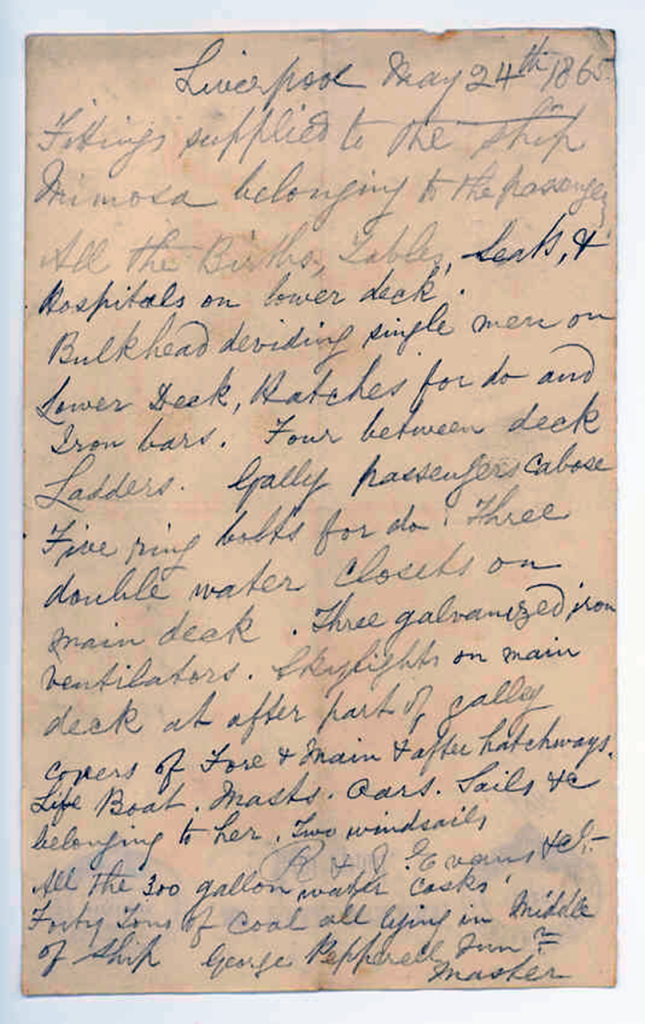
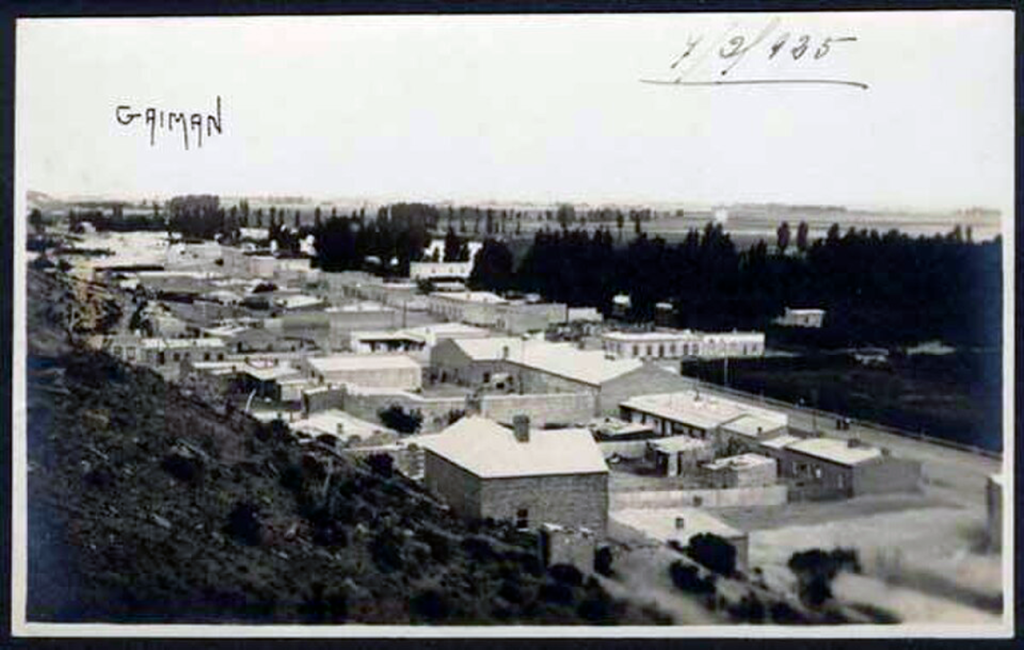
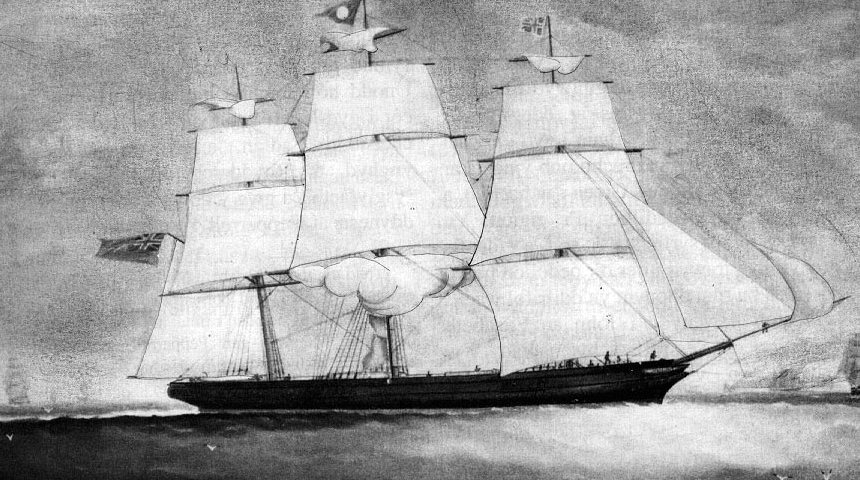
When Chatwin entered the parallel, isolated world of the Chubut, he encountered a Welsh settlement founded in 1865 by 153 colonists who wanted a New Wales free from English interference, visiting its epicenter, the town of Gaiman. From there he heads west along the Chubut River toward Esquel on a truck with men going to collect hay.
Besides the majesty of the landscape, one that Europeans can’t ever quite grasp, Chatwin also encountered echoes of Wilson and Evans, outlaws who robbed a Welsh trading store in 1909, killing its manager, Llwyd ap Iwan. Chatwin drops a speculative gem in his text, toying with the idea that they were Butch Cassidy and Sundance.
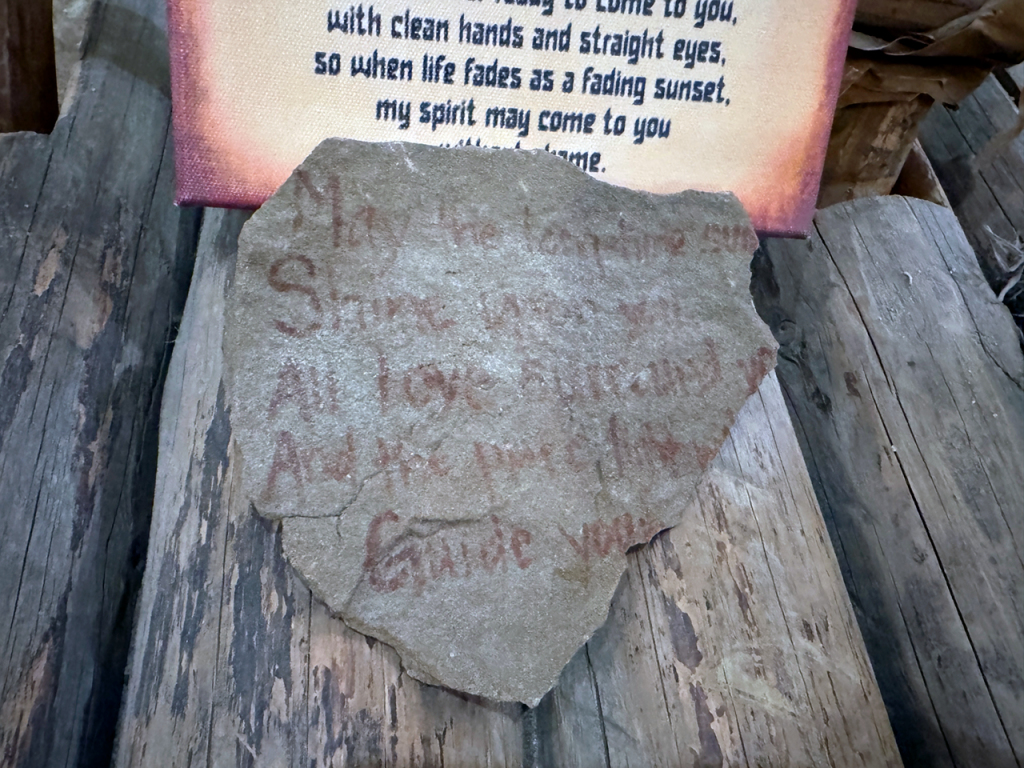
Somebody must have said, or thought of the proper way, that if you fold the two hemispheres, the adventures of the American West could be replicable in the gaucho vastness of Patagonia. Because Patagonia, for those who don’t know, is much more than an outdoor brand with a mountain logo.
West of the Welsh valley, the road across the meseta, today’s Route 25, runs 534 kilometers from Rawson to Tecka through a high desert Coloradans and New Mexicans would recognize. It follows an old Tehuelche route between the coast in winter and the Andes in summer. In 1885, word sent from the mountains by a Tehuelche cacique named Wisel encouraged the Welsh to try it. The same emptiness explains why, generations later, people there still get news from friends and relatives through AM radio, a network Jordan Salama (himself the great-grandson of a Syrian-Jewish peddler who worked the Andes in the 1920s) calls The First Social Network in The New Yorker.
Westbound on US 160
I didn’t think of dinosaur eggs as I drove our car across the Colorado Rockies a few days ago, and one of my playlists was the soundtrack I could only hear, for Kirsten was editing with her headphones on in the passenger seat (our eldest daughter was at college, checking on our two high schoolers still at home, who had a blast staying home on their own for a week).
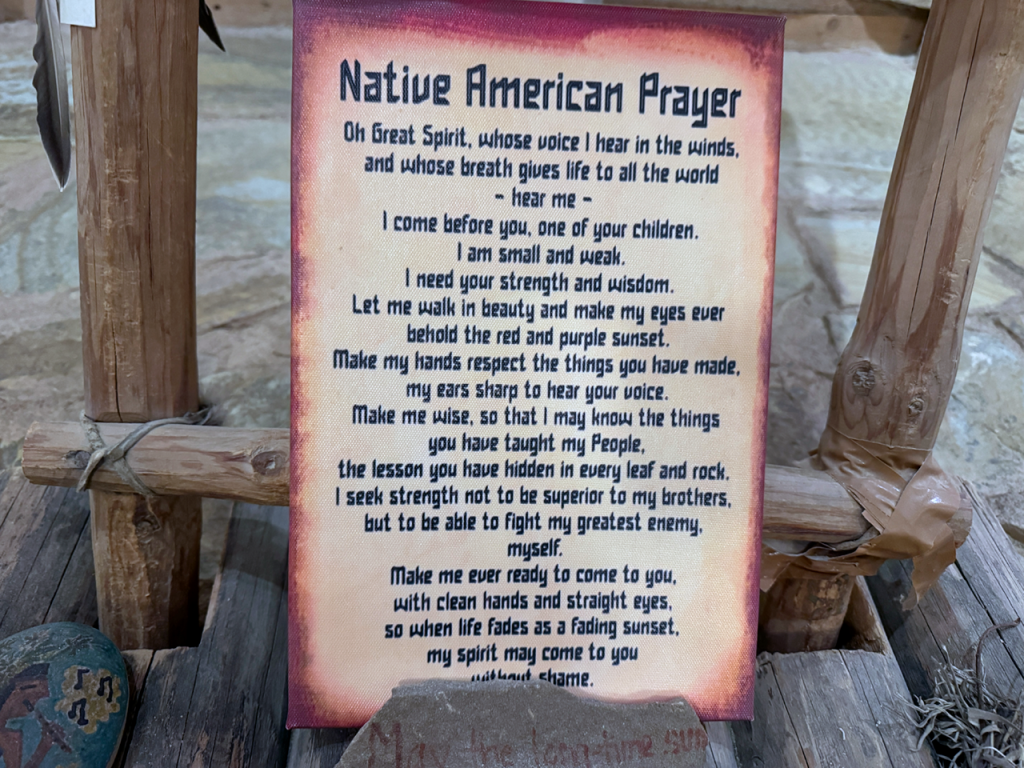
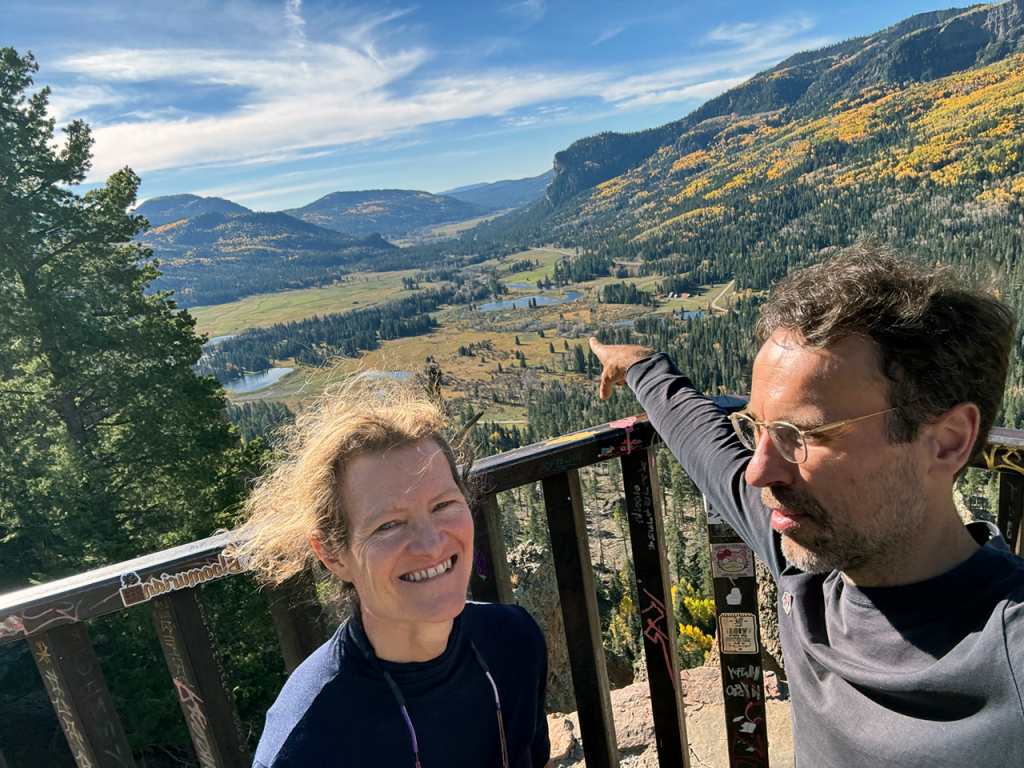
But as we reached the top of the Wolf Creek Pass from the East and began the descent, I noticed that the road signs announced a dangerous turn and also a scenic overlook. It didn’t take much for me to tell Kirsten to pay attention to what was opening in front of us: she knew I wouldn’t have bothered her if it wasn’t worth it.
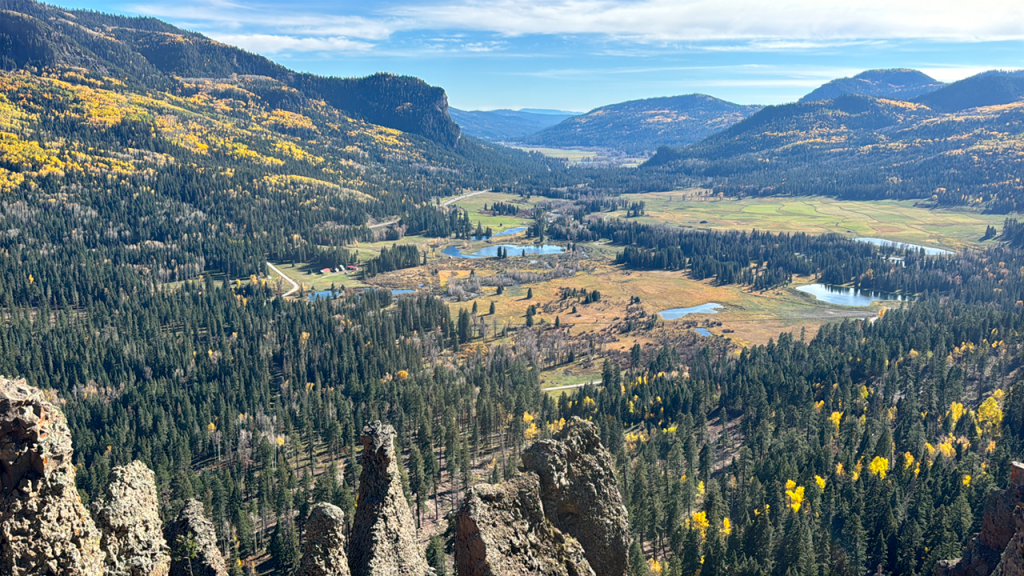
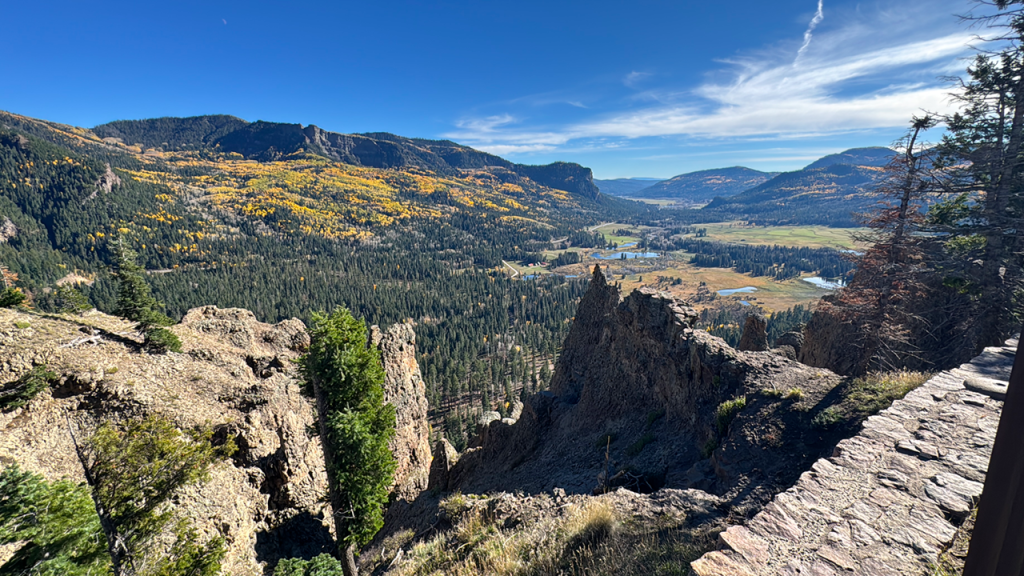
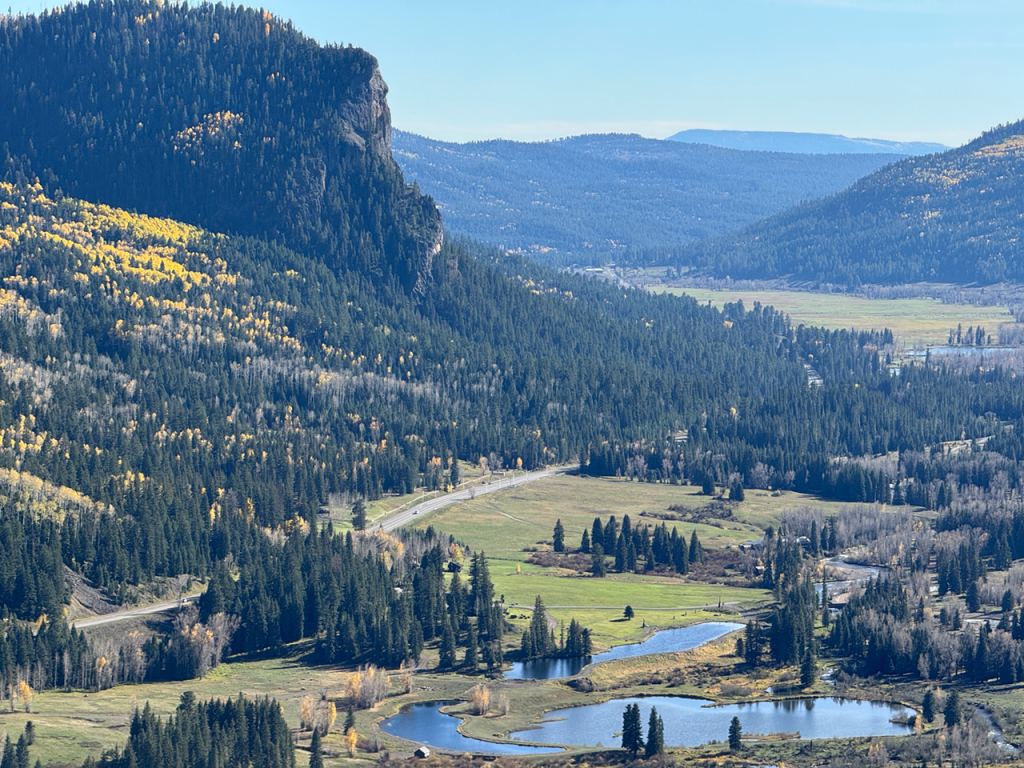
I pulled over, and we entered the overlook, in awe, our jaws dropping as we entered a balcony perched over a dream valley down below dressed in the colors of the fall, just as the first Native Americans, and later early European explorers and pioneers, had encountered it this time of the year.
Sitting at an elevation of 11,760 feet, the Lobo Overlook sits at the very Continental Divide of Colorado’s majestic San Juan Mountains.
Where the water splits
At the summit we passed, water splits. It’s a place where things part ways and the relatively dry conditions of the climb give way to a bounty, a landscape that encapsulates the promise of the West.
From Wolf Creek Pass to the east, water drains to the South Fork of the Rio Grande and the Gulf of Mexico, and the west side (the waterfalls we were about to drive past, the ponds and meadows surrounded by green grass and deciduous trees dressed in reds, browns and aspen-yellow) drains to the San Juan River, then the Colorado, and on to the Pacific.
At the overlook, we peeked down in silence after a few whoahs and wows; I guess I’d have smoked a cigarette if I were a smoker, or drawn what I saw if I were a painter; instead, I marveled at the place and gasped at the impossibility of describing it as it deserves, like anyone passing through it for the first time. I remember thinking that we were lucky to go through that road in the fall, just when trees are changing colors and about to shed their leaves. This is something with landscapes I’ve felt only in places like North America, Norway, and Switzerland (and perhaps a few patches of the Italian and French Alps, the Pyrenees, the Black Forest in Germany). She agreed.
I had recently read Jordan Salama’s article on the AM-radio pioneer social network of Patagonia, and it came to my mind as I stared at the view from atop Wolf Creek Pass. So this is what people might have felt when they saw such remote landscapes generations ago, I thought.
I took pictures and videos from the lookout, self-aware that I was trying to capture the enchantment of the world in a bottle with the help of a butterfly net, and this is why (perhaps) my activity handle in places like WhatsApp is normally set to the word “Quijoteando,” which is to say daydreaming, but with a certain mindset I can relate to.
Charlie’s balcony
I noticed there was a plaque:
“Charles Stith, 1925-1992, Charter Member, Pagosa Chapter, San Juan National Forest Association. This majestic view is dedicated to Charlie. He volunteered many hours tending and caring for this overlook for your enjoyment.”
Back home, I looked Charles Stith up. There wasn’t much about him. He could have been a road builder, a snowplow driver, or even a mail carrier. I imagine him going over the pass the first time, converted by the view like a John Muir struck by the epiphany of nature. There has to be something so satisfying about carrying people’s news as one crosses Wolf Creek Pass, bridging the Continental Divide with all sorts of news from the other side.
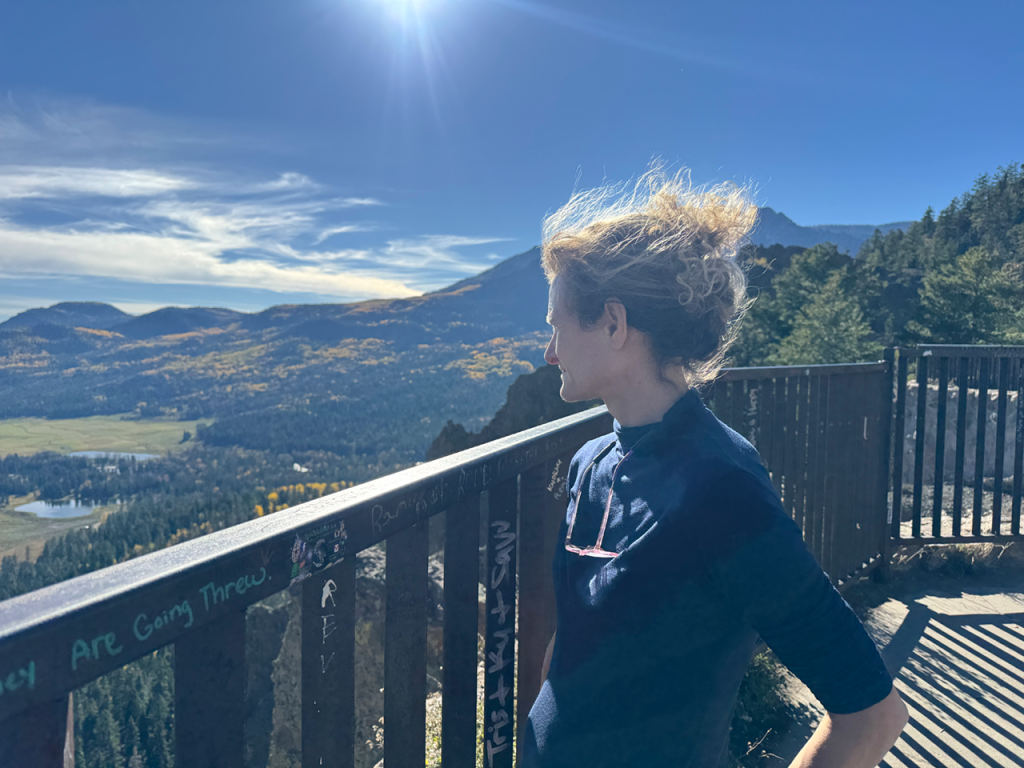
As I kept taking pictures from the lookout, never reaching an agreement with my smartphone’s algorithm, which chooses color and settings the same way AI writes text, I reached my own conclusions about our impossibility of grasping the mystery and beauty of reality and nature. Of nature and reality. Both things as separate entities, but also as the same, unifying thing bigger than us, bigger than life itself.
As this epiphany hit me, I realized that the internet, our website, our videos, our very urge to communicate, is older than our time, our culture. Older than our species. Given the right circumstances, there’s an urge from the things surrounding us to create order out of chaos, to reach signal and intelligibility out of noise, to spark life out of simple organic molecules and proteins. Music, text, and art in general follow the same urge.
The man with the hump
From the top of Wolf Creek Pass, I also thought about the stories that some of the friends we had visited across the high desert landscapes of New Mexico and Colorado had shared. At least two hosts, one in New Mexico and another in Colorado (both living in high altitude) mentioned a popular Native American mythical figure, Kokopelli, the flute-playing trickster.
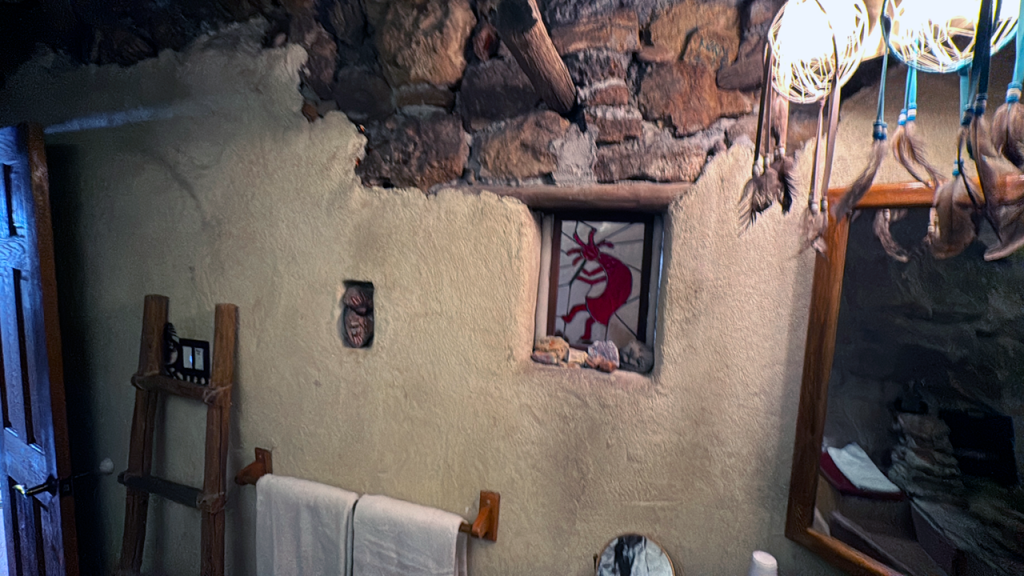
Old petroglyphs and pictographs depict Kokopelli as a stick-like man bent forward and playing a long flute. There’s a pronounced hump on his back. Across New Mexico, Colorado, Utah and beyond, Kokopelli appears in different fashions, representing fertility but also all that a trader and messenger has to offer poorly communicated villages, spreading news from the other side of the mountain or valley: a neighbor is sick, so and so are getting married, this person’s father passed away and the family is sad.
The earliest depiction of Kokopelli comes from a 1000 CE petroglyph. I liked the explanation, and also the figure and its symbolism. Being from Catalonia and loving the steep Pyrenees valleys, where I have relatives, and also having lived in France and visited the Alps several times, Kokopelli reminded me of the French “colporteurs.” In the isolated mountains of Europe, colporteurs connected villages, bringing news to distant places, just like the internet now, or AM-radio-exchanged messages in remote Patagonia.
Long legs, heavy packs
On paper, colporteurs traveled with a mule or a donkey, or simply walked from pass to pass (like Nietzsche’s aphorism advises: “In the mountains the shortest way is from peak to peak, but for that route thou must have long legs. Proverbs should be peaks, and those spoken to should be big and tall.”), selling almanacs, books, religious tracts and all sorts of small goods.
The French verb colporter, to peddle, comes from Old French comporter, to carry, bent by porter à col, to carry on one’s neck.
Colportage helped with news, good and bad, and also transmitted ideas, from the controversies of the Reformation to the American Revolution.
Before the snow
Colporteurs moved with the seasons. Every autumn, once the fields were done and before the snow closed the passes, thousands came down from Savoy, the Oisans, and the Briançonnais, valleys that had specialized in the trade since the late Middle Ages. A local history from Bron, near Lyon, remembers one of them, Claude Bovat, arriving in September 1787 and shouting his trade at the first houses. The children came out first, then the women. He sold on credit, and he brought news from town.
The Pyrenees had their own. In the Couserans, in the Ariège, families went back to the old peddling traditions after the cholera of 1854, and the potato blight left them starving. In Soueix-Rogalle, the Souquet shop, now a small museum, stocked the peddlers before they left: groceries, hardware, haberdashery, jewelry, holy objects. The shop’s papers place some of them in South America, Canada and North Africa. A local theater group recently staged the story of one family, the Faups, whose children went peddling as far as Spain, Chile and Argentina.
So the colporteurs reached Patagonia too. Jordan Salama’s great-grandfather, a Syrian-born Jewish immigrant, worked the Andes as a traveling salesman in the 1920s, and Salama followed his trail in a book, Stranger in the Desert.
A Hereford bull on the radio
On the meseta, the radio does some of the peddler’s old work. Salama tells of Avelino Delgado, a 68-year-old rancher with no phone and no internet, who lost a Hereford bull. He drove half an hour to El Escorial, a school village, and dictated a message to the man who runs the generator there. That man sent it to LU20 by WhatsApp, and it aired the same day across a province the size of Minnesota.
Some listeners don’t really need the radio anymore. Two brothers, the Zapatas, have internet at home, but LU20 plays in their kitchen all afternoon so they can keep up with other people’s business. A woman visiting from Trelew told Salama she still sends messages to her brother over the air, though he has had Starlink for a year.
Back home in the Bay Area, I hear the echoes of Kokopelli, and the messages that keep us connected to friends and family across the Americas and Europe.
We’re always one message away, one story or book (like Chatwin’s) away, from keeping our true social network alive, which tries to make meaning and purpose out of fragments of reality.