Two decades of renting other people’s homes as a family of five, and why both the bans and the price cuts now hitting short-term rentals were overdue.
Sometimes, feeling rooted doesn’t mean rejecting being open to travel and meeting other people. The opportunities we’ve had to meet people and their everyday circumstances have made us who we are.
Over the years, our family has traveled widely and often. Being five and often visiting places off the beaten path meant that hotels weren’t the solution. Finding a place to relax and call it a day can be challenging when you travel off the main routes.
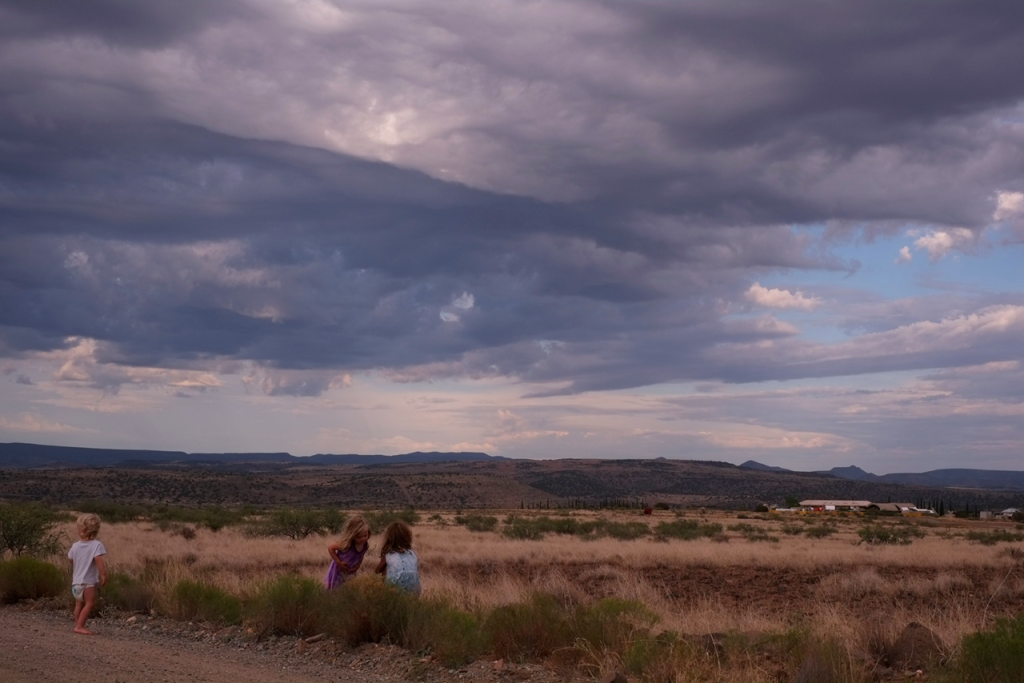
It wasn’t easy to keep things open and find a place to stay at the last minute, so we could rest before visiting someone or doing an activity nearby the next day. Once you travel for a living, it doesn’t take much to realize the importance of finding somewhere to rest well and recreate our family life: the more rooted and rested you feel, the more you’re ready to appreciate what one normal day might bring.
It can be challenging to feel at home when on the road, and this was especially true when our kids were younger. Hotels and motels usually forced us to rent at least two rooms, which we didn’t like as a solution; besides, it got expensive quickly, and we missed our food when we were forced to eat out in areas that lacked healthy alternatives.
Coolers, kitchenettes and lockboxes
I could explain a few things regarding this: early on in our family, we checked into hotels as a family of four so we could get one big room for us all.
Also, sometimes we’ve rented small apartments by the day that were ready only for four people, knowing that our children could share one big bed. We often traveled with a cooler and natural rubber kitchenware, and we’ve cooked fairly healthy food on microwaves and also on portable induction cooktops.
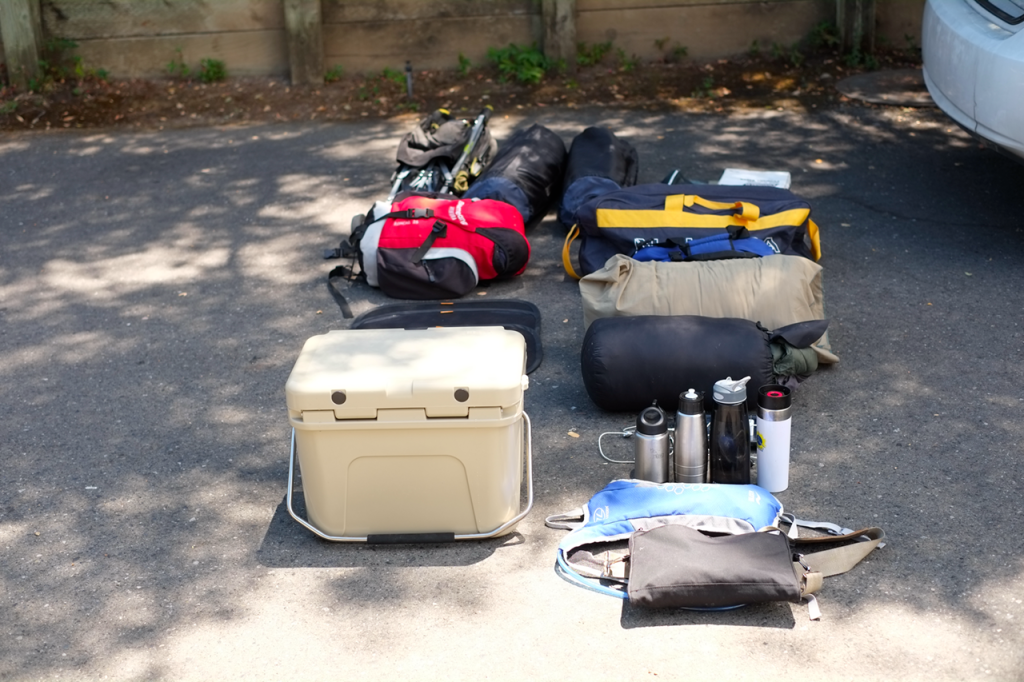
Places with a kitchen or at least a kitchenette suited us better, and we sought after them when we had the chance.
Tight on time and always on-the-move, we appreciated when hosts allowed self check-in, so we could get in at any hour and get right to cook a warm meal before going to bed; before 2017, this option was handled by hosts themselves, and after that year the option was built into the platform in Airbnb.
Before Airbnb, there was Vrbo
As for Vrbo (“Vacation Rental By Owner”), a pioneer platform created in 1995 by David Clouse so he could rent out his own ski condo in Breckenridge, Colorado, we started using it before Airbnb was even born; back then, when our family was starting, and our two girls were toddlers, we visited places amid nature such as Sunriver, a resort in Oregon’s high desert that in summertime doubles as a pedestrian-and-bicycle-only paradise for family reunions hosting several relatives with small children.
Using short rentals owned by owners who usually lived far away facilitated self check-in, which was a Vrbo feature since the beginning: the places we rented through them always had instructions to deal with the property remotely, such as a lock, a hidden key, or a lockbox to facilitate logistics; it all was based on trust and good intentions, and it worked.
That’s why we often used short-term rentals when we traveled as a family, which allowed us to buy groceries and cook, as well as recreate our family life on the move. We also took our time to try to fit in with the local fabric, imagining that we lived there and visiting the bakery and grocery stores nearby when they were available.
When it was cheap and easy
In the early 2010s, short-term rentals were very convenient and affordable, right before sleeping in other people’s houses became a mainstream option, when fees and cleaning charges hadn’t kicked in yet. The option was so convenient that sometimes we felt enticed to lock in a longer stay in places we liked and enjoy the place as remote workers.
A month in a hotel room can feel grim and alienating, whereas a house somewhere interesting was, especially from the early 2010s all the way to the pandemic boom, an opportunity to experience another life, minus the commitment of a formal, months-long rental.
We also saw the erosion of the model: short-term stays made life annoying and often more expensive in city centers, and we had to endure the noise coming from a couple of such rentals-turned-party-dens in Barcelona’s Gothic Quarter, right before moving to France in the mid-2010s.
Even though the model seemed more benign and a win-win for visitors and owners in rural and economically depressed areas, it soon began to feel less advantageous and more expensive, once the new fees and cleaning charges started kicking in. Year after year, we had to spend more and more time doing chores, which sometimes didn’t help; we got charged for extras anyway.
Cold houses and hot nights
We’ve also had our share of unexpected experiences: from arriving late for a check-in appointment and then having trouble getting our money back, to finding ourselves inside a freezing home in the middle of winter that lacked a working thermostat to raise the heating to a comfortable level. That happened last winter somewhere in northwest France, while we were trying to reach the Eurotunnel rail shuttle to get to Britain the day after.
Convenience isn’t always a given, and that’s fine if you know ahead of time what you’re getting. We’ve stayed in off-grid environments so remote that we’ve cut stays short just to ensure a minimum viable level of comfort, so we could rest and be ready for days packed with family and video production activities.
On a couple of occasions, our visit to remote areas included a stay that didn’t go as expected: a very hot night for our children in a place that lacked AC in the middle of summer in Bluff, a historic town in southeastern Utah, was especially challenging, and we barely slept, even with a few industrial fans cranked to the max, which felt like trying to sleep inside a very hot airplane.
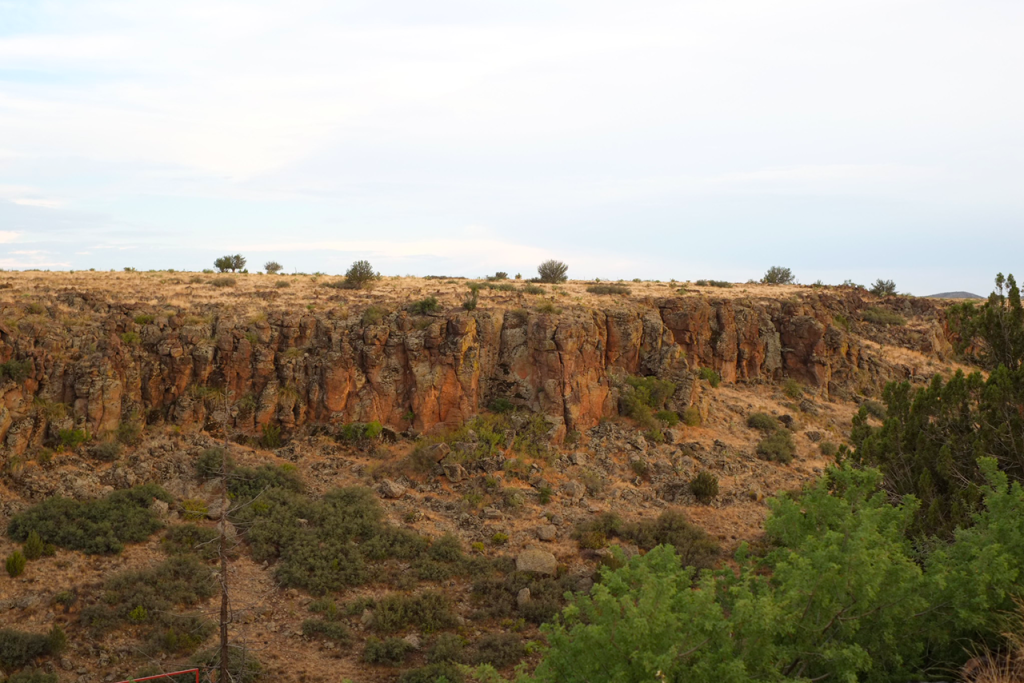
Another time, we followed late at night a dirt road somewhere between Nevada’s and Oregon’s interior desert to reach a remote hot spring next to a deployable army shipping container that lacked almost everything to allow us to go to bed, even though we were exhausted; we managed to somehow enjoy such situations as part of the experience of traveling in a modern frontier that we’ve almost always made so convenient, to the point of rejecting any environment lacking amenities and AC.
The van we never bought
When the experience wasn’t as tolerable as expected for days, we talked about alternatives such as owning and maintaining an AWD campervan, though we always found a reason to use leaner arrangements, if only to avoid the year-round cost of a type of vehicle that hardly doubles as a city or suburban utilitarian. We’ve met people and have friends with incredible campervan setups, and we know they are time- and money-consuming.
So far, we haven’t found the right vehicle at the right price to transform into our house on wheels, though it might finally happen as our children grow up and arrange their own trips, making a small, discreet, affordable and efficient camper for two more feasible.
Perhaps a converted electric delivery van purchased at a discount? Time will tell (plus there’s always some other priority).
A flat on Valdemarsgade
When we visit cities, we also like to do some research ahead of time and rent a humble apartment in the area we want to explore on foot. As an example, this summer we stayed in a ground-floor flat on Valdemarsgade, in Copenhagen’s Vesterbro. It was a newly rented apartment and lacked reviews, so it was much more affordable than other options; moreover, people were living in it, renting it only for the summer as they traveled.
The youngsters who lived there had left their books on the shelves and their coats in the hallway. For a week we lived inside someone else’s routine, and it reminded me why we started renting homes in the first place: why miss this extra layer of reality if you can have it as a part of the experience, along with music records, books and magazines, the professional kitchenware, gastronomy books, and properly-maintained Japanese knives?
That was the original idea behind Vrbo and, later on, Airbnb. In 2007, a couple of young designers in San Francisco put air mattresses on their floor and rented them to people coming to town for a conference. It was a spare room and a story to tell later.
Like many of their peers, they knew that friends and relations matter when traveling: if you were to visit a particular city or place, you’d know where to crash or at least who to visit and hang out with, for there was a friend of a friend, or a friend of a college roommate, or any other serendipitous combination of youth awesomeness.
From air mattress to asset class
But the idea’s innocence quickly turned into a professionalized platform trying to squeeze value out of what initially was extra space or the occasional home opening due to the owner’s travels. Investors of different sizes began to rent their city apartments by the day full-time, causing neighborly nuisances and driving rental prices up; formerly calm neighborhoods of places such as Santa Fe or Austin turned into tourist traps, and soon enough people were talking about infamous parties at such rentals.
I began writing this on a long flight from Europe back to San Francisco, the city where the service started as one outlandish idea, later backed by the incubator Y Combinator. Eighteen years later, the air mattress has become an asset class, and the asset class is having a rough time for those who gambled on getting properties off the ground to rent by the day.
Cities from New York to Barcelona treat the platform like an invasive species and are pulling it out by the roots. Far from any city hall, the market is doing its own weeding, and many small investors, tired of maintaining properties that turned out to be bigger investments than expected, are having a hard time selling their properties, many bought during the Covid-era real estate peak.
Even coveted rural environments known as short-term getaways from important metro areas like Southern California’s Palm Springs and Joshua Tree are bloated with properties used as short-term rentals that don’t sell.
Business Insider‘s James Rodriguez calls it the Airbnb backfire. He means the vacation homes bought in the 2021 frenzy that now won’t sell. I think the word fits the whole story. The bans and the price cuts are two corrections to the same mistake, which was treating a house as a hotel with a mortgage attached. Perhaps both are overdue. The question is who pays for them.
A cabin in the Smokies
The article opens with 317 Matterhorn Drive, a two-bedroom cabin in Gatlinburg, Tennessee, in the foothills of the Smoky Mountains, which once felt like the perfect short-term rental frontier. It went on the market in January 2024 at $850,000.
Two years and many price cuts later, the owners are asking just under $600,000, almost 30% less. The agent, the second one to try, admits he is simply chasing the market.
Those who can’t or don’t want to hold on to their properties and wait for better times are experiencing a total transformation of the market since the Covid era. Gatlinburg was one of the hottest plays of the pandemic. Home values there more than doubled in two years, according to Zillow. Cheap loans and remote work sent buyers to every mountain town and beach with good short-term rental numbers.
This spring, Gatlinburg alone had more than 2,300 active listings; those trying to sell are having a hard time, and the few buyers are forcing steep discounts on the best listings, now that the flow runs the other way, and buyers have learned to wait for the next cut before they even look. Research shows that in the Smokies, Destin, the Florida Keys and Palm Springs, between 3% and 5% of the vacation-home stock is up for sale.
Nobody even agrees on how the cabins perform as Airbnbs. One data firm puts Gatlinburg occupancy at 29%, another at 48%. That said, in most of these towns prices are still well above 2019, and anyone who bought early can sell over the price they paid, even though the cost of their remodels would probably put them in the red. Late buyers who need to sell (the ones who paid peak prices with a loan that assumed full calendars) are taking the biggest hit.
New York pulled the plug
Dense and expensive cities like New York went first, and they went hardest. Under Local Law 18, hosts had to register with the city, and most short stays in whole apartments became illegal almost overnight. Listings fell from almost 13,000 to around 1,600. Anyone trying to play the system risks hefty fines.
The promise was that thousands of apartments would come back to New Yorkers, but the conversion hasn’t happened. The trouble is that there weren’t many to begin with. Before the ban, short-term rentals were 0.59% of the city’s rental stock, even though (as it happens in cities across the Atlantic like Paris or Barcelona) angry locals can’t stop talking about them.
The measure doesn’t seem to have delivered the expected outcome. Airbnb (hardly a neutral party) points to StreetEasy data showing rents rose 3.4% in the first 11 months of the law. It also cites CoStar figures with hotel prices up 7.4% in a year, against 2.1% nationally. The hotel industry, which lobbied for the law, is not complaining.
Independent studies tell another story, though not radically different: A 2018 McGill study found Airbnb pushed New York rents up by an extra 1.4%, about $32 a month, over three years. In Irvine, California, citywide rents fell 3% two years after a ban on short stays in residential areas. The perverse effect of short-term rentals in stressed areas is real, though it’s just small, and in a city like New York it gets lost in everything else that moves rents.
Barcelona’s bet
Barcelona, the place where we started our family and that we call one of our homes, is going further. In June 2024 mayor Jaume Collboni announced that the city would revoke the licenses of all 10,101 legal tourist apartments by November 2028. No exceptions for the well-behaved hosts. This isn’t new: back when we lived there, almost the entire Old City banned apartments for tourists, thanks to the support of neighbors, but also of the powerful hotel lobby.
I’m from Barcelona, and I still own the small flat I bought as a bachelor in Ciutat Vella, and I’ve never rented it as a tourist apartment (the local laws wouldn’t have allowed me to anyway). The anger of those struggling to pay their rent or priced out of the city center altogether is easy to understand. Collboni cited rents up 68% in ten years and home prices up 38%. In parts of the old town, the sound of the street changed from neighbors talking to suitcase wheels on the city’s well-known sidewalks.
Barcelona officials of different political stripes have been at this for a while: since 2016 (the year we left for France), the city has ordered 9,700 illegal tourist flats shut, and close to 3,500 went back to residents as primary homes. That’s a sizeable impact: roughly one in three.
The industry has its own figures. Tourist flats are about 0.77% of the city’s housing stock, according to the apartment owners’ association, Apartur. A PwC study it paid for estimated the ban would cost EUR 1.9 billion in GDP and 40,000 jobs. The council rejected the study.
Meanwhile, mayor Collboni (from the Catalan socialists) has signaled he could relax the ban on new hotels in the busiest areas. If that happens, the tourists stay. Only the landlord changes.
Where the guests go
As any Barcelonian has assessed, tourists don’t vanish when a listing does; they simply move. In New York, one independent analysis found Airbnb activity in Jersey City and Newark up 241% since the ban, about $45 million a year in host revenue that used to stay in the city. The visitors who once slept in Brooklyn and Queens now cross the Hudson or crowd into Midtown hotels.
Big events show the same mechanism running the other way. Six months after the Paris Olympics, Airbnb still had more than half of the listings created for the Games. Homes that became hotels for two weeks stayed hotels.
This summer’s World Cup was supposed to repeat the trick. Airbnb used the tournament to push Canadian cities to loosen their rules, with a commissioned forecast that Vancouver would come up 70,000 nights short during the peak. The expected crowds never showed up. After seven match days, hotels in Vancouver and Toronto were still under half full.
So the platform overstates its case. Its critics do too, in the other direction.
The small host pays twice
The big operators and multi-property private hosts will be fine: many have lawyers and pricing software. The people nobody worries about despite being the ones most exposed are the families renting out a second home a few months a year, or a parent’s flat that sits empty.
That owner now pays Airbnb’s new host-only fee of 15.5%. By the end of 2026, it replaces the old model, where hosts paid about 3%, and guests covered the rest. Unless they raise prices, a $100 night now pays $84.50 instead of $97. In the EU, VAT comes on top.
Insurance is another line. Standard home policies usually exclude short-term rentals, and dedicated coverage runs a couple thousand dollars a year. One US estimate puts operating costs at about 40% of gross revenue.
Then there’s the paperwork. Since May 20, every short-term rental in an EU country with a registration scheme needs a number on its listing, and platforms must take down listings without a valid one. Spain built its own national registry, and in May the Supreme Court partly annulled it for stepping on the regions’ powers.
Meanwhile, property registrars kept saying no. Owners were turned down in Madrid for lacking a municipal license, in Gandia for lacking the neighbors’ approval, and in Seville for zoning. Each refusal ended up in the state gazette. The rules were written for the hotel without a front desk. They land just as hard on the borrowed apartment.
The arithmetic nobody likes
One number puts the whole fight in proportion. The Bank of Spain estimates the country is short 700,000 homes. If every single tourist flat in Barcelona went back to residents in 2028, the city would recover 10,101.
Spain has never recovered its building pace since the construction bubble burst more than 15 years ago. Official data counted about 321,000 homes with holiday-rental licenses across the country. Even if all of them went back to long-term tenants tomorrow, the gap would still be more than half open.
A ban can be announced at a press conference. A building needs land, permits, financing, and years of patience. It’s no mystery which one politicians prefer before an election, and Spain votes in 2027.
What a borrowed apartment needs
I’m living the slow part myself. In Berkeley we’re trying to build a small unit in the backyard. California has passed law after law to make ADUs easier, and the state still sends letters to cities reminding them to follow those laws. Much of the cost of housing hides in that friction, far from any app.
None of this means the old free-for-all should come back. Investor-owned flats run like hotels have emptied real neighborhoods, and I’ve watched it happen in my own city. But the flat on Valdemarsgade was something else. It worked because someone lived there. The books had been read, the bike in the courtyard got ridden, and when the summer ends, they’ll come home.
Maybe that’s the line worth drawing. A home that gets shared now and then is one thing. A flat or a cabin bought only to rent by the night is a hotel without a front desk. Cities can regulate it like one, and in Gatlinburg the market is already marking it down.
Either way, the cities that want their apartments back will still have to build more of them.