From workhorse to wish fulfillment, the pickup truck is often a vehicle that carries less in its bed than in the stories people tell themselves about freedom and need.
I’ve been photographing pickup trucks for years without quite finding the right frame for what I was seeing.
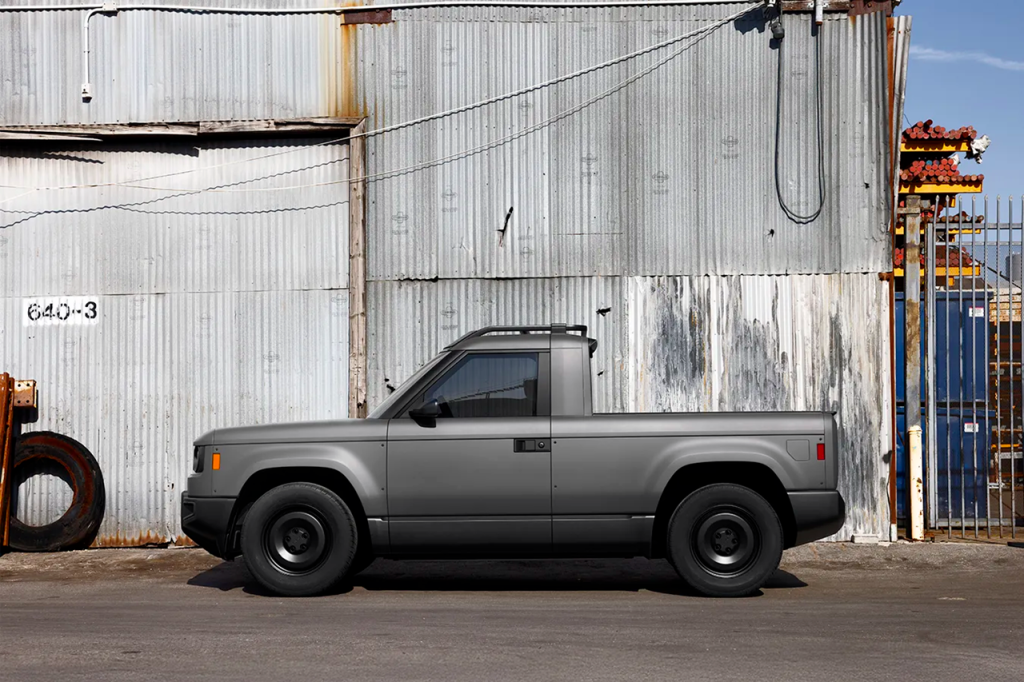
The other day, I stumbled upon The Essential Book of Pickup Trucks by Fred Haefele, which contextualizes much of what I’d been wondering about, especially after the announcement of the modular, regular-cab, cranked-windows, tiny electric pickup truck Slate is trying to build its use case. In Haefele’s words:
“Of the sixty million pickups on U.S. highways today, just one in eight was bought for work purposes. The remaining fifty-four million are what truck dealers call “lifestyle purchases.” Does the pickup impulse spring from some deep, organic longing? For agrarian roots, for simpler times, for a driving experience larger than life?”
I am also interested in the unique place that this vehicle segment holds in the American psyche. Coming from abroad, my regard was perhaps different a few years ago, though I’ve always sensed this isn’t a tale of pure utility, that there’s more to the story.
First personal encounters of the flat-bed kind
When I began visiting the United States regularly more than twenty years ago, Kirsten was living in Greenwich Village, a part of Manhattan that reminded me in many ways of the Old World.
For one, neither Kirsten nor any of her roommates owned a car or drove around the city; they biked or hopped on public transportation, and they sporadically rented a car or carpooled with friends for outings on Long Island or upstate New York. I had also gotten rid of my first car, a 1984 VW Golf (Rabbit in the US), and it didn’t feel odd to see people with no car in the city.
I realized soon after that, in other American cities, only the disenfranchised regularly use services such as urban buses and the rest move around by personal car, no matter how short the errand, a stark difference with urban and suburban Europe, where public transportation doesn’t carry any stigma or class signaling, and one can well share the seat with the richest person in town without even knowing it.
Already the first time I visited Kirsten in New York, we hopped on a cheap flight to San Jose Airport to see some of her relatives in the Bay Area, and the first thing we did was rent a car with which to drive, basically, anywhere we needed to go, or distances where “towns” (difficult to spot with my untrained eye) didn’t cluster around dense centers but stretched along tree-covered expressways.
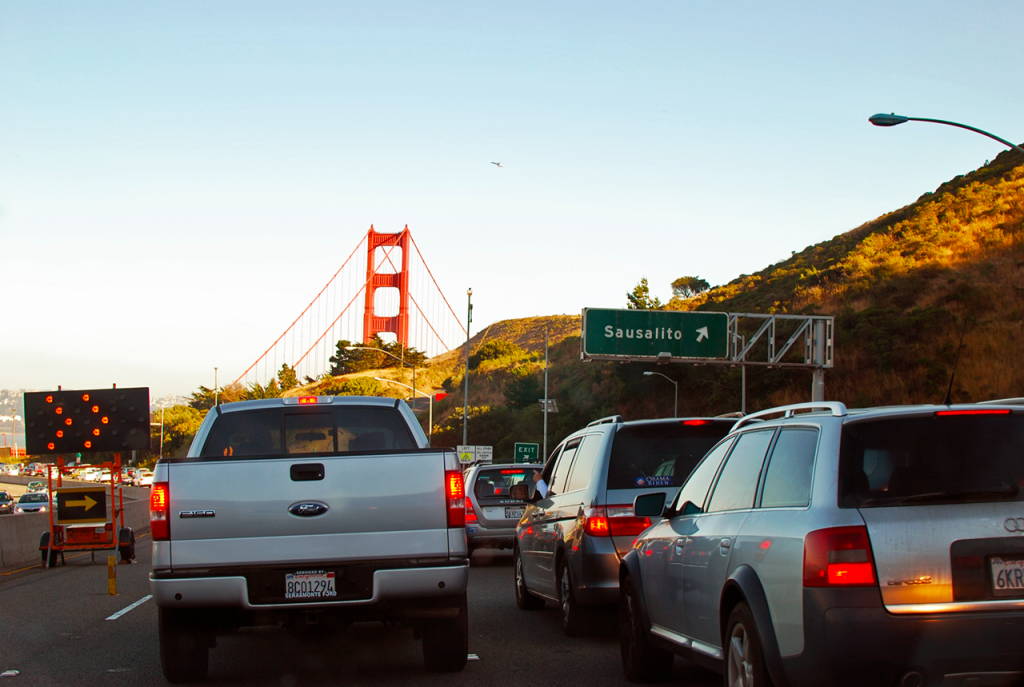
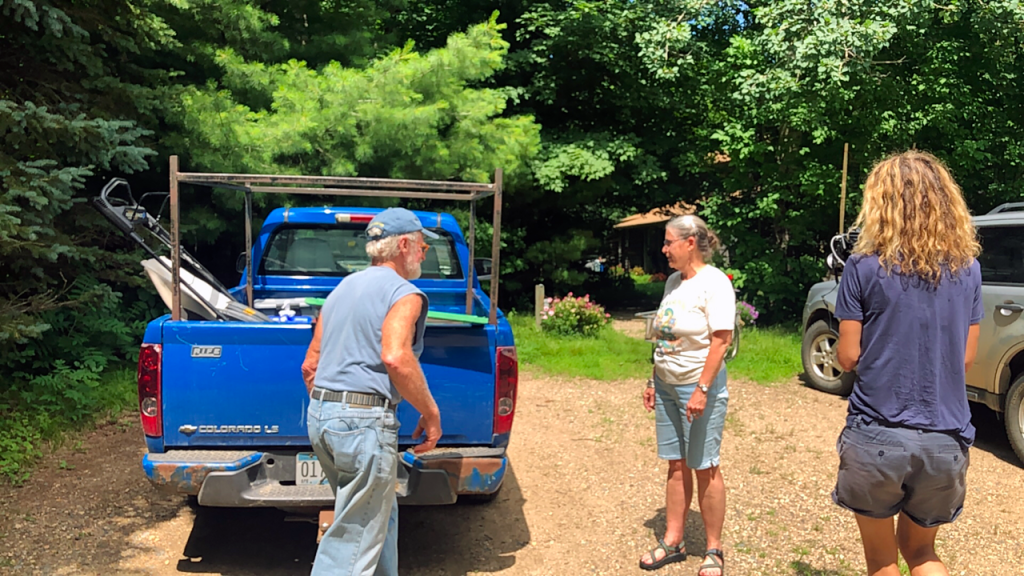
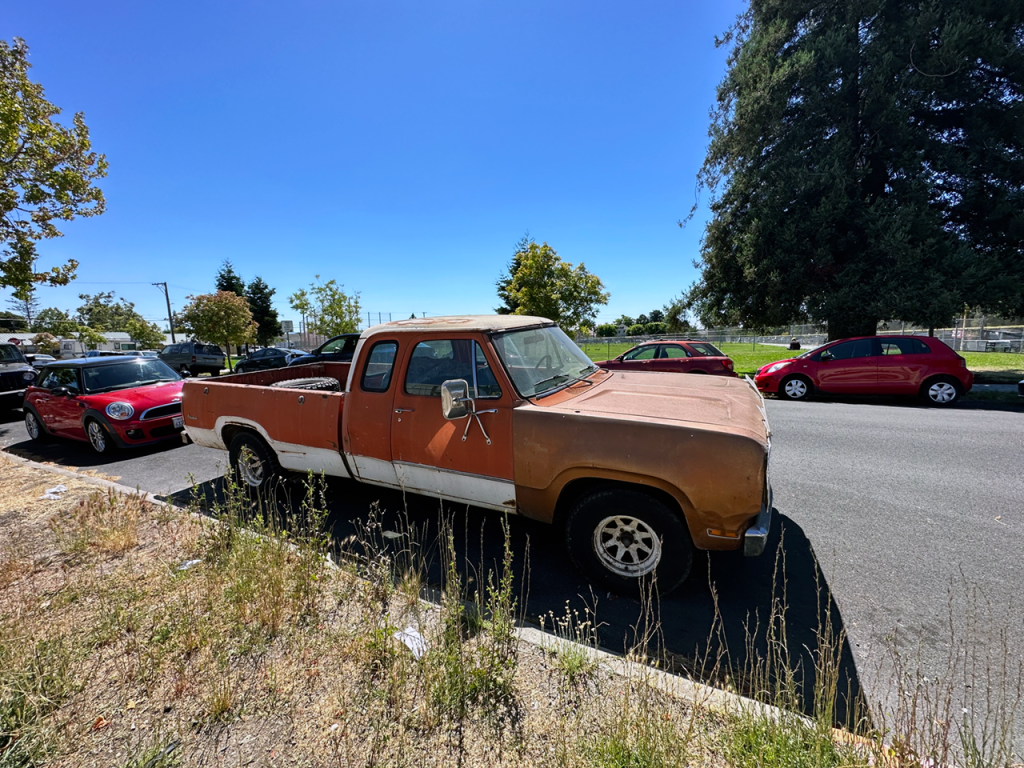
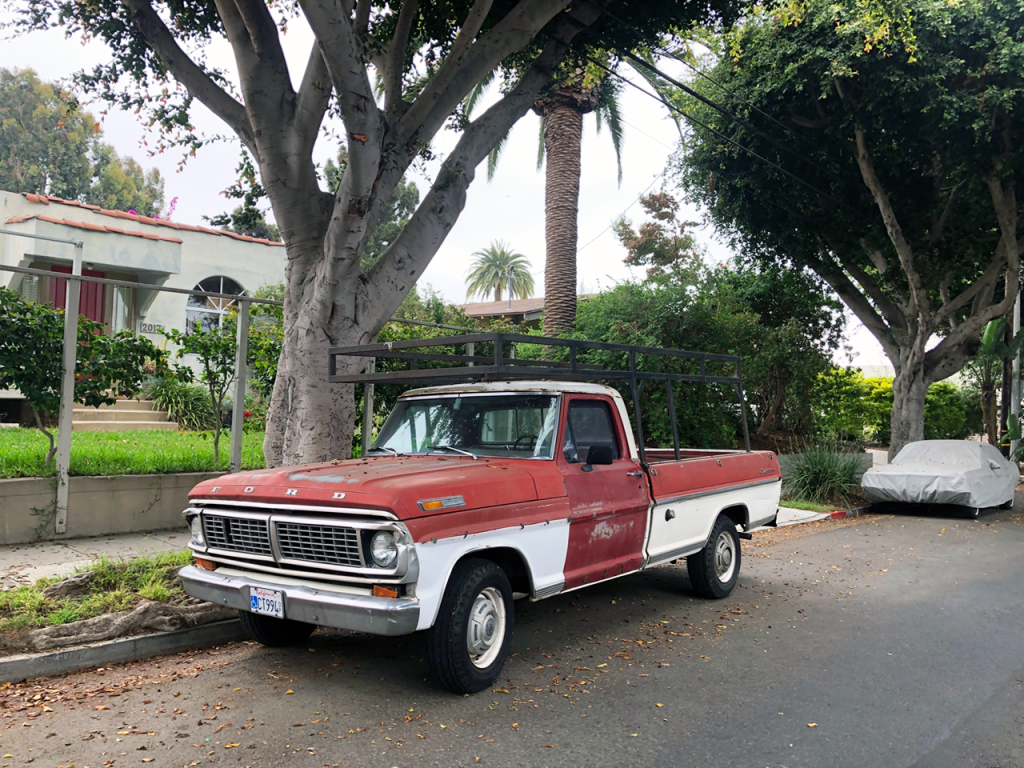
Out West, I spotted many more pickup trucks, even in urban environments.
A free-parking democracy
This was—I thought then—what Joan Didion meant when she described entire new developments going up as fragile embodiments of some sort of American Dream that depended on optimism and growth continuing forever. I had read little from her but appreciated some of the excerpts I read in college when I was learning about New Journalism (I didn’t yet know that Kirsten had read all about her, and that our daughter would do so at 19, a mere two decades later).
Back to those first impressions, which are the ones that last: when I saw firsthand a gentle, manicured, and wealthy version of the car-centric suburban continuum where the majority of Americans lived after World War II, I could draw on pop culture references to ease the culture shock.
I sensed early on that there was, indeed, a different sense of space, and to this day I probably get too close to people when I’m talking to them (people seem to have no patience for those who “tailgate,” which I didn’t know was a thing — until I learned there can be worse things, like road rage).
I soon found out, too, that cars were all boringly automatic (now, after driving automatic cars for a few years, it takes me a while to drive stick shift cars smoothly), and—outside city centers— there always seemed to be easy, free parking available right next to the place one had decided to go to: car dependency often came with convenience — as long as one didn’t have to commute and sit in traffic every day.
There weren’t smartphones with map apps and broadband internet access yet, but the urban reality I was discovering seemed ripe for becoming even more frictionless and convenient for those who could afford to live there.
Highway 101
Besides the tree-lined streets and front-yard gardens taken over by squirrels in the Mediterranean climate of the South Peninsula, one of the first things I noticed was the shape and relative popularity of pickup trucks, which, until then, had remained theoretical.
Of course, I’d watched movies and realized that open-bed cargo vehicles remained popular, but I didn’t think it reached the point of outselling any other popular vehicle segment. When we drove across the Golden Gate and took Highway 101 to Cloverdale in wine country north of Santa Rosa, I noticed that trucks were even more favored by drivers, though I saw few of them with their beds loaded or on their way to work.
Of course, I spotted other trends in urban and suburban California and compared them with what I saw in Barcelona and other big European metro areas. For one, there were fewer scooters to watch for, and the few motorcycles I saw weren’t overtaking cars in the city like swarms of wasps.
In the early to mid 2000s, the Bay Area already had a large number of hybrid cars by comparison with virtually any other place in the world then, particularly the then-ever-present white Toyota Prius with the yellow sticker “Access OK; clean air vehicle,” which allowed drivers to use carpool lanes even when driving alone. I also noticed the rising popularity of SUVs, which are bigger and more powerful than their European counterparts.
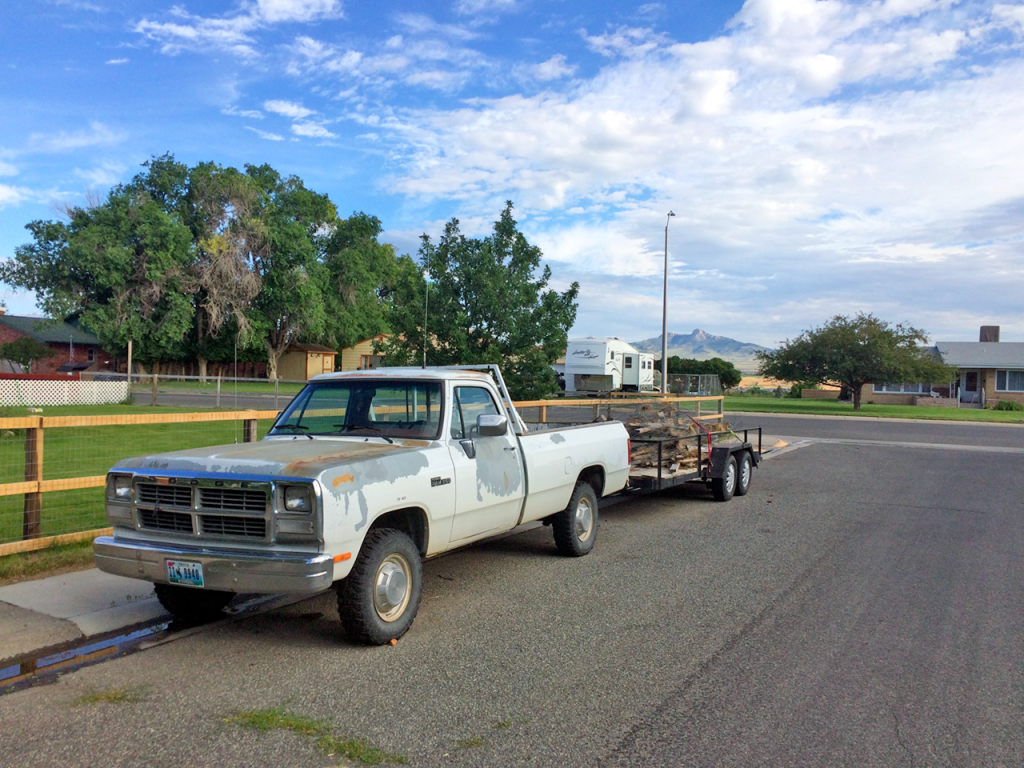
That said, the surge of pickup trucks was the main difference, and despite being less popular the closer one got to the Bay Area, they were everywhere in the suburban to rural continuum: on commercial strips, in residential neighborhoods, in rural areas that were turning into commuter towns as the Bay Area got more expensive.
For someone arriving from Europe, the presence of the pickup truck felt both obvious and mysterious. Were the needs of Americans that different and idiosyncratic from those of Europeans to justify an entire car segment? Was it true that cars could have evolved differently in the States due to environments that had been designed around cars rather than predating them, as well as cheap gas versus the efficiency-driven evolution of oil-dependent European and Japanese car companies?
From the Model TT to the F-Series
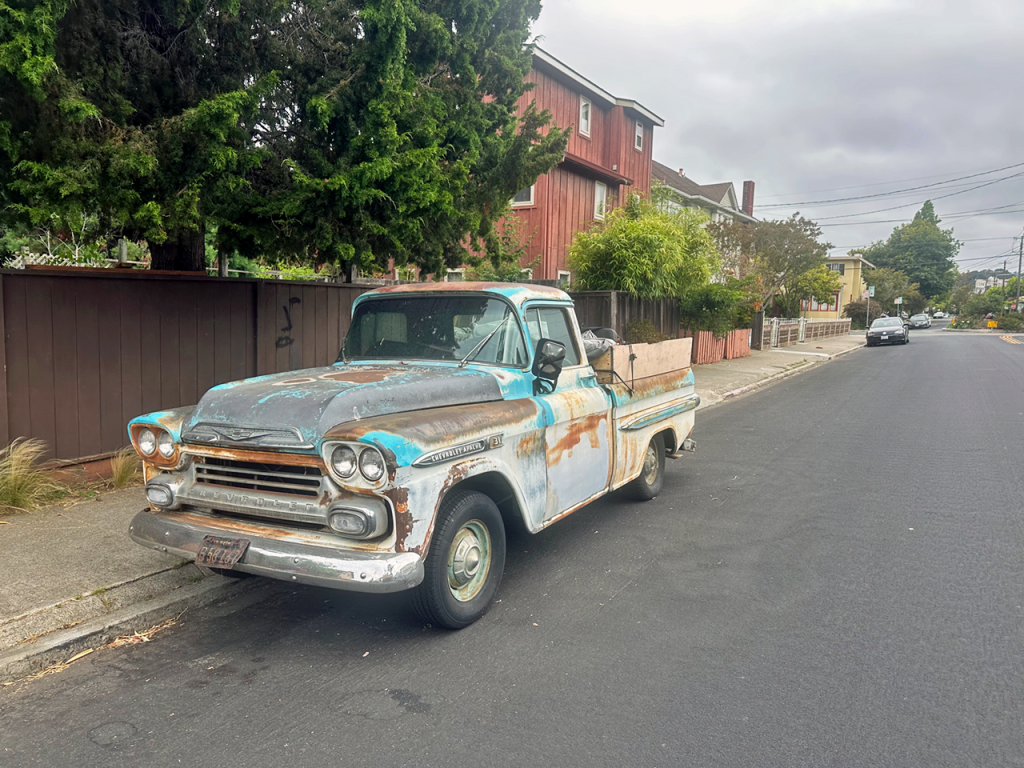
Well, it made sense, but only in part. Of course, cheap fuel, more land devoted to straight, paved roads, pervasive parking requirements, and low-density development codes had boosted an expansive, laissez-faire car culture. But this evolution didn’t explain the success of what’s arguably the first pickup truck, the Ford Model TT, which started production in 1917, was based on the first best-selling, industrially-produced car and already defined a sought-after utility in North America: a heavier, more robust frame, a durable and easy-to-maintain engine, and a basic wood frame on top of a flat chassis as the first truck bed. Henry Ford himself came up with the name “pickup.”
I also noticed that, in many suburban environments of manicured lawns, double-car driveways, and garages, one could see two cars parked on weekends. Quite often, the combo was sedan-SUV, but over the years, I noticed it tilted toward SUV-truck.
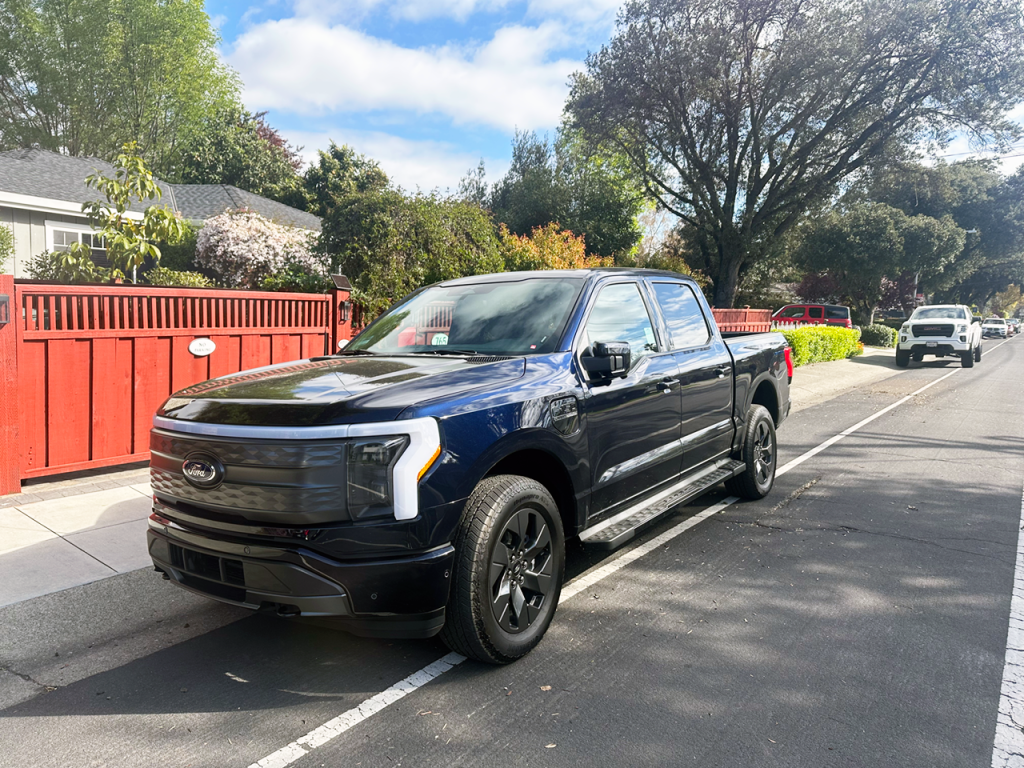
This perception may feel subjective, and it is, but then there are the sustained car sales data over the years. Consistently, over the same period since I began visiting the US (and since moving here in 2022), several truck models have topped the sales lists, with no exception, beginning with the Ford F-Series.
Across the US in 2025, Ford sold 828,832 F-Series, once again the best-selling vehicle overall, followed by the Chevrolet Silverado, another pickup truck, with 558,709 units. Both companies have ditched their old sedans and now offer only one car each that is not a truck or an SUV of any size: the Mustang and the Corvette. So, almost 110 years after the flat-chassis Ford Model TT entered production, there are five trucks among the top 10 best-selling cars of 2025: Ford F-Series (1), Chevy Silverado (2), Ram series (5), GMC Sierra (6), and Toyota Tacoma (10).
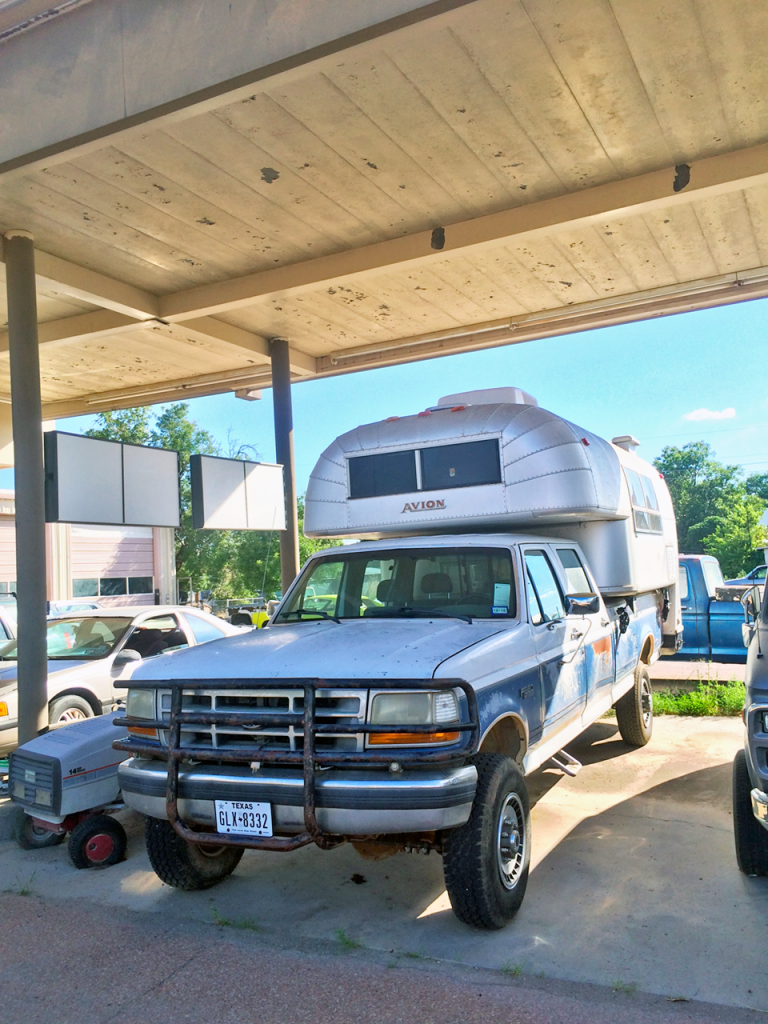
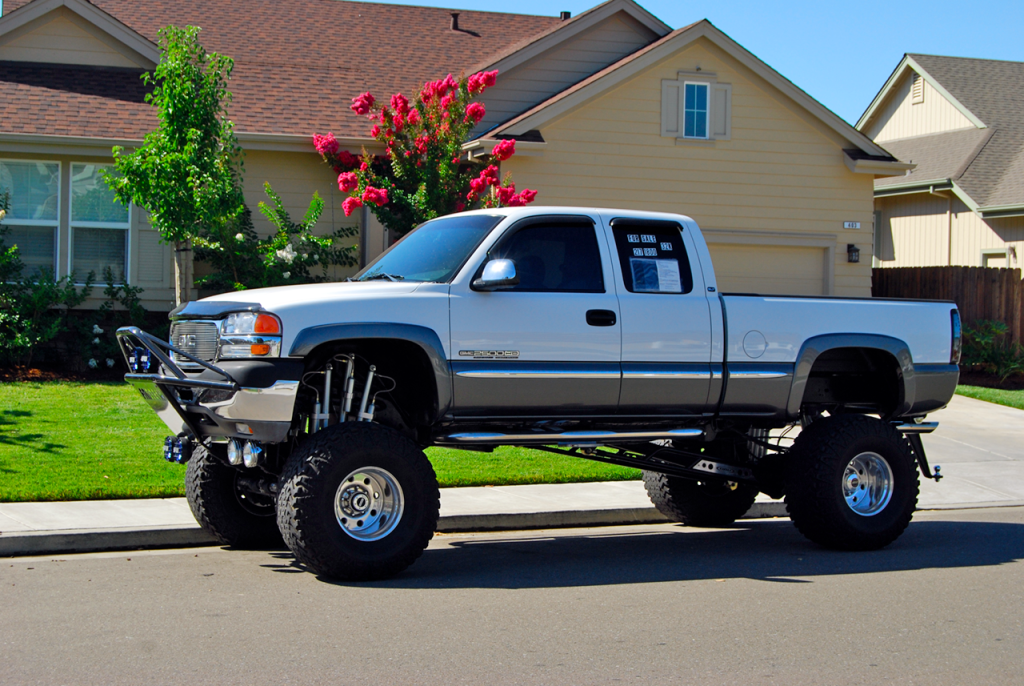
Another trend: if 20 years ago trucks felt big and tall compared to other cars, they’ve grown substantially bigger and taller since then. And unlike European enclosed commercial vehicles, they have an open bed. Such a design told me they were vehicles designed for hard labor, for carrying and towing heavy loads, but I saw little of that. Many are powerful, capable 4WD vehicles.
Open-bed trucks vs. European self-enclosed little vans
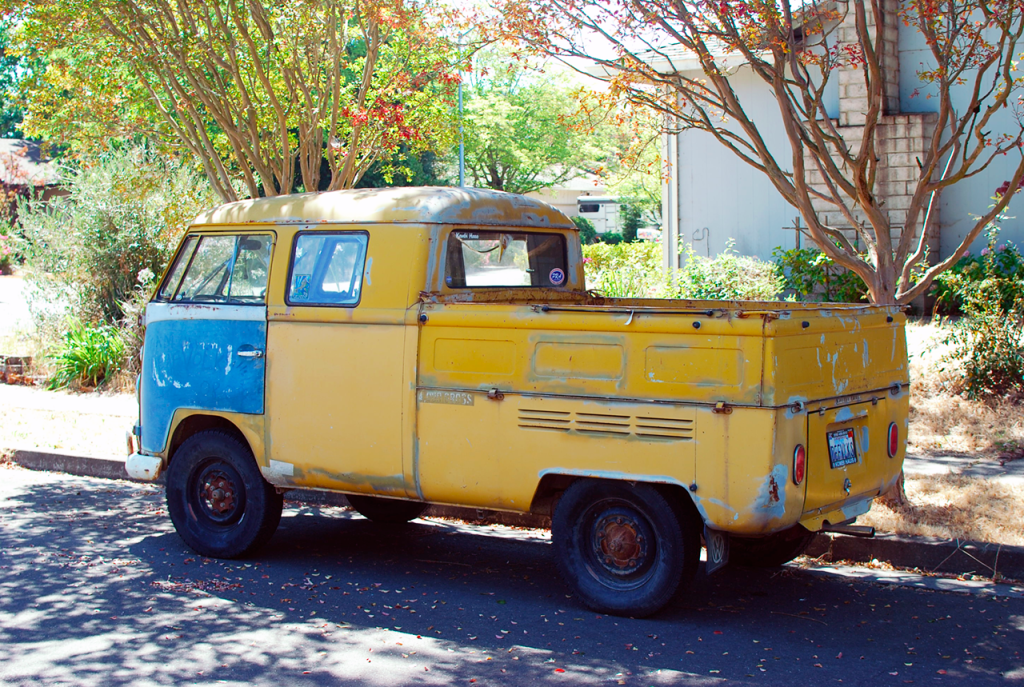
Then, I had a question: why didn’t European small-sized commercial vehicles, the ones more likely used by self-employed professionals and in rural settings, have an open-bed design like pickup trucks in the USA? Or the other way around: why did most personal commercial vehicles in the USA have an open bed? Was it a more benign climate, prone to less rain, or a matter of cultural idiosyncrasies?
Rain or bad weather in general aren’t the main reasons, even though the climate in northern Europe doesn’t help. The main reasons that explain the design difference and preference of American and European consumers come down to perceived convenience: whereas Americans favor the readiness of an open bed — the safety risk of leaving cargo visible isn’t a concern in suburban and rural environments — European small vans were designed with an enclosed cargo volume to keep tools and cargo not only dry but hidden.
The use of light commercial vehicles is also very different: in Europe, such cargo cars and vans are especially popular in urban and suburban environments, where they are often used in last-mile logistics and start-stop service work. Cargo cars and vans also face a very different urban landscape: much of European commercial driving takes place in older, denser areas with narrower streets, scarcer parking, and conditions that are, in general, more challenging for drivers navigating heavy traffic.
This is the reason vans come in different heights, chassis lengths, and shapes. As is the case with the versatile use of pickup trucks in the USA, the smallest cargo vans are often morphing into conventional vehicles, and there are compact van-based cars that double as tiny commercial vehicles when needed, and many people like their versatility for that reason. There’s a whole segment built around them: Peugeot Partner/Rifter, Citroën Berlingo, Opel Combo, Renault Kangoo, Volkswagen Caddy, Ford Transit Connect/Tourneo Connect, Fiat Doblò, Toyota ProAce…
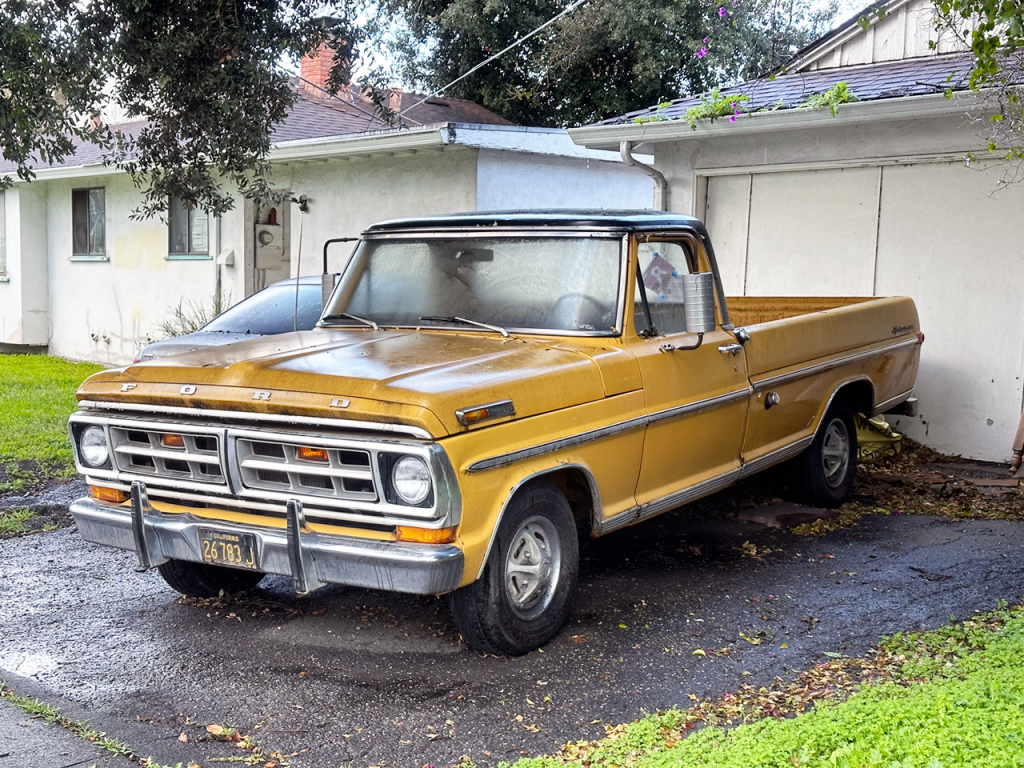
Unlike pickup trucks in America, these cars are far from status symbols and are perceived for what they are: versatile, no-frills utilitarians. By contrast, the best-selling trucks in the US include high-end versions, with prices ranging from $70,000 to over $100,000 on the Ford F-150 Raptor R, Ram 1500 RHO, GMC Sierra 1500 Denali Ultimate, Chevy Silverado 1500 ZR2, or Toyota Tundra TRD Pro.
The complex role of pickup trucks
Unlike small commercial vehicles seen elsewhere in Europe or Asia, American “small” and “normal-sized” commercial vehicles are, as I suspected when I first came to the US, a cultural matter, too.
Pickup trucks were born as work tools but have evolved as a mainstream personal-vehicle category that often includes all the luxuries of big SUVs, including an ever-bigger cabin and an ever-smaller bed relative to the growing size. Open-bed vehicles aren’t just commercially viable: since at least the late 1980s, they’ve become the best-selling personal vehicles in middle America.
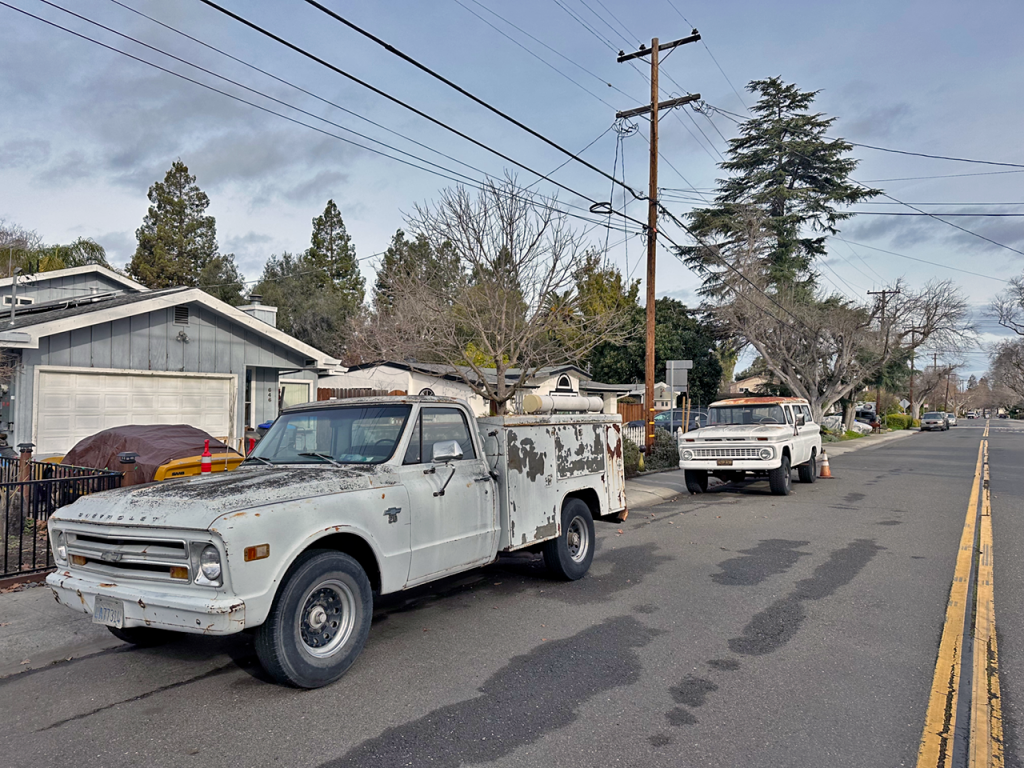
Besides potential practicality (using the bed once in a while, though not often enough to justify it), culture, and a generally more pleasant and less rainy climate, pickup trucks are also a statement that prioritizes size, power, and potential convenience over other factors important in tighter environments that prioritize efficiency and actual use over perception: small enclosed cargo vans in Europe, and cargo and pickup kei cars in Japan offer the same convenience as American trucks —at a fraction of the size and price.
Pickup trucks have offered American consumers something beyond utility for longer than assumed: open-bed trucks only surpassed other cars in popularity in rural states like Alaska in the late 1980s, but they didn’t dominate sales until the 2010s, when they overtook best-selling sedans in many states and the aggregate US market.
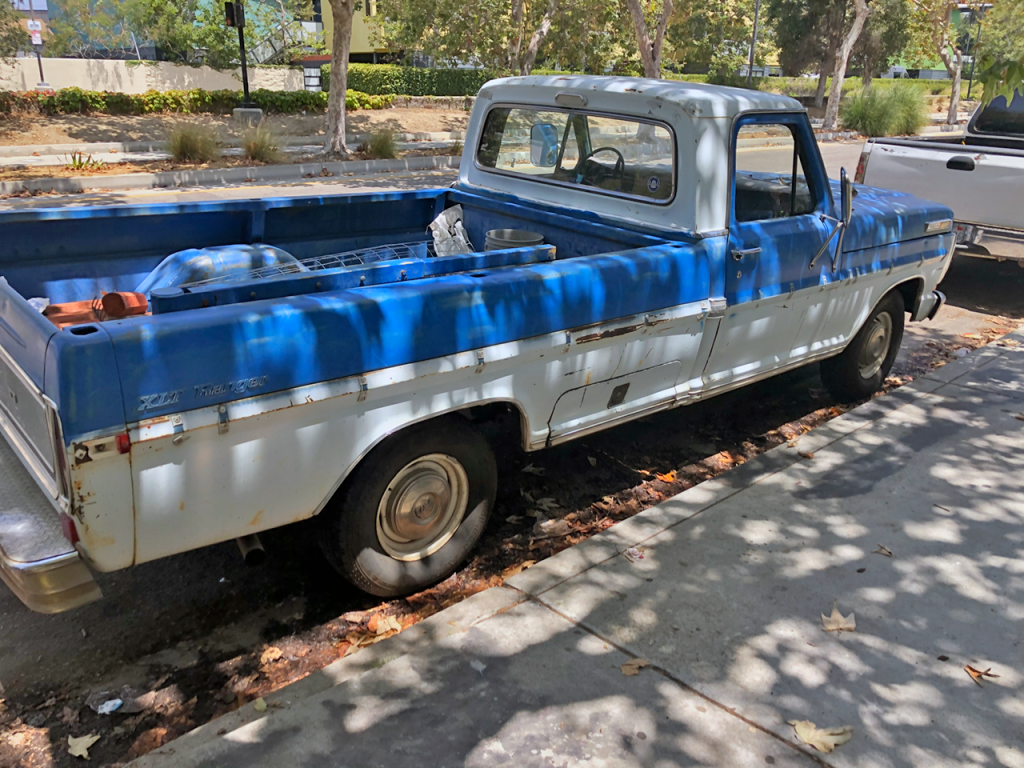
However, many coastal, mainly urban states, led by the biggest US market, California, introduced regulations and taxes that make it more expensive to buy and maintain less efficient gas and diesel pickup trucks, to the point that the segment’s popularity comes with caveats: an EV — the Tesla Model Y — topped the best-selling list in California in 2025, despite Elon Musk’s fallout, followed by two relatively efficient cars, the Toyota RAV4 (small SUV) and Toyota Camry (a sedan); then came another EV (Tesla Model 3), followed by two efficient cars (Honda Civic and Honda CR-V). The top 10 list was rounded out by two pickup trucks: the Toyota Tacoma (9) and the Ford F-Series (10).
As it happens, and as Joan Didion would probably explain in one of her witty descriptions depicting American culture (and particularly that of her home state, California), cars are also artifacts of aspirational perceptions and wishful thinking, and many Americans do believe that raw power and potential convenience are worth having, even if they come in less efficient vehicles used to drive around in suburban and urban environments, so, when a shock in gas prices comes, as it has done with the attacks of the United States and Israel on Iran, many people struggle to add a bigger gas expense to their already high car lease or purchase monthly installments.
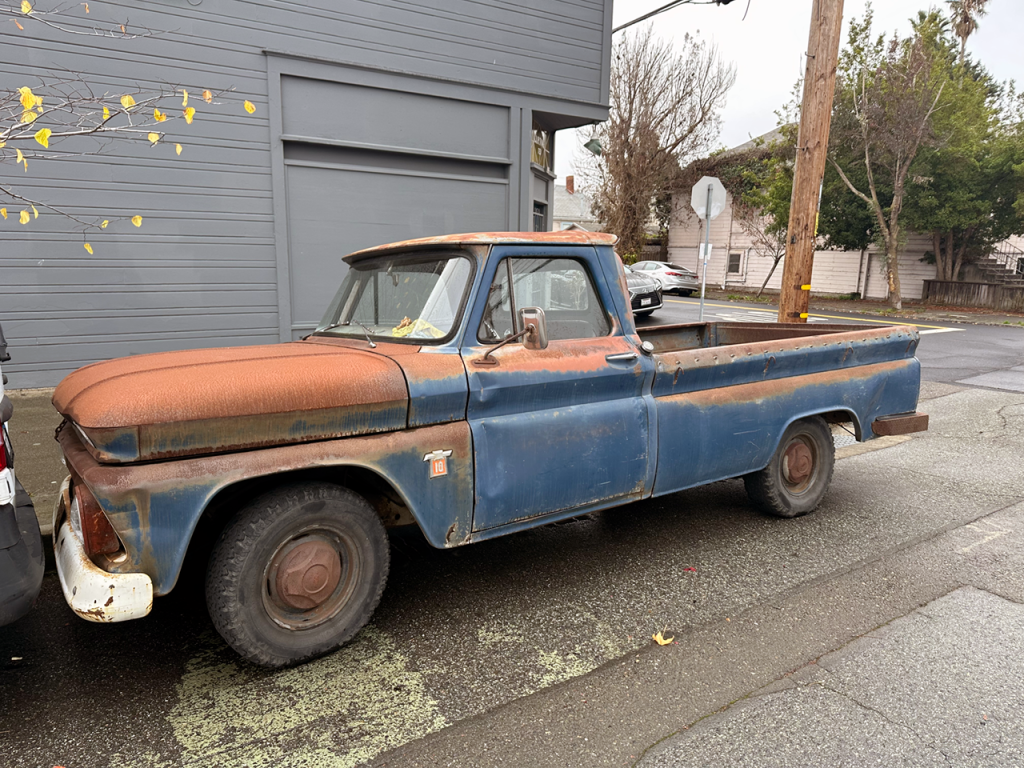
From a growing market to “the” market
It takes mental gymnastics not to see the tragic irony: in late 2025, the federal government signed legislation to formally block California’s stricter vehicle emissions standards and goals, and at the same time, disincentivized the deployment of renewable energy contracts already under execution (to the point of paying the French company TotalEnergies $1 billion to cancel wind farm leases), while energy and gas become more expensive due to AI data centers and the gas disruptions in the Middle East. You can’t make this up.
If gas is more expensive at the pump, drivers of less efficient cars are paying a disproportionate toll for the war disrupting the energy sector, even when, due to the shale oil explosion in the new century, the US is the world’s largest oil producer and a net exporter. It wouldn’t surprise me if those within the American public supporting the war (polls) are overwhelmingly pickup truck drivers.
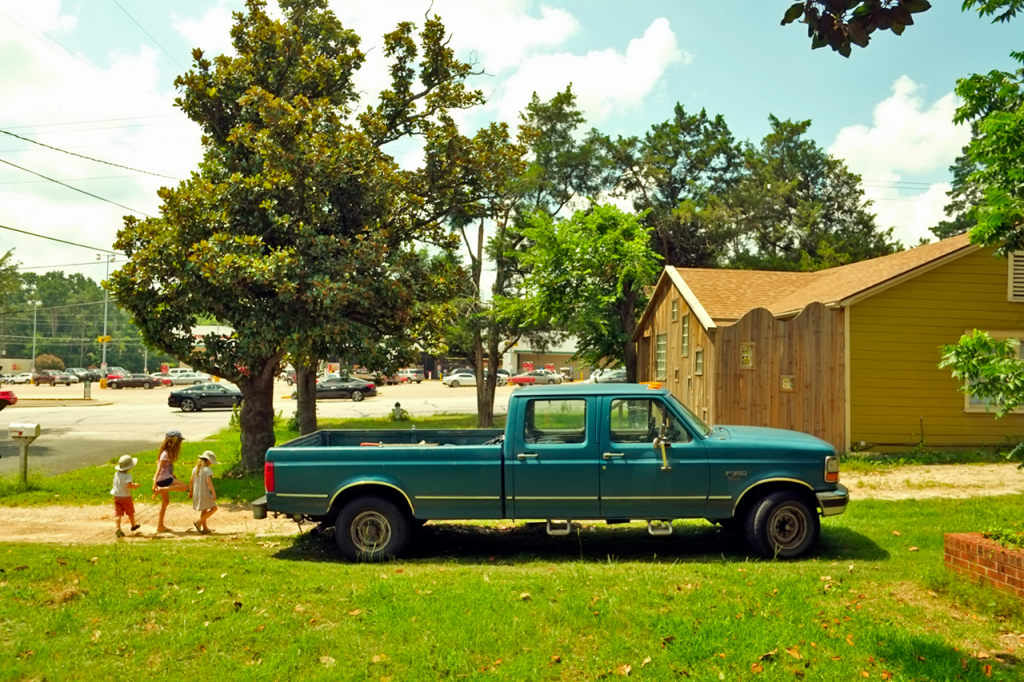
Interestingly, there are EV pickup trucks, but sales remain marginal when compared to their gas counterparts. There’s a polarizing design from Tesla (Cybertruck), an EV-native alternative from Rivian (R1T), and an option from Ford (F-150 Lightning) and General Motors (with the new EV versions of the Chevy Silverado and the GMC Sierra).
Can rising gas prices prompt customers to reconsider their reticence toward electric trucks? So far, the search for more efficient commercial vehicles has tilted toward midsize pickup trucks (Toyota Tacoma, Ford Ranger, Chevy Colorado, GMC Canyon, Nissan Frontier, Honda Ridgeline, Jeep Gladiator) with smaller, more efficient engines, as well as hybrid-engine models: Ford and Toyota offer both midsize and full-size hybrid engine models, whereas Ram offers a full-size version and Jeep sells the Gladiator 4xe.
Subaru Baja: if the Outback and the Tacoma had a baby
I don’t own a pickup truck. Yet. But I might someday, though I’ve promised myself I will only do it if I truly need one (which could happen, especially if we end up building something in the wilderness by ourselves). Though this question, “who needs a pickup truck,” seems to be more difficult to answer than I thought. In any case, I’d definitely be interested in second-hand models with good fuel efficiency, so perhaps the versatility of a hybrid engine would be worth considering, given a competitive price. In my case, only an ambitious self-building project in North America, outside an urban area, would justify the purchase.
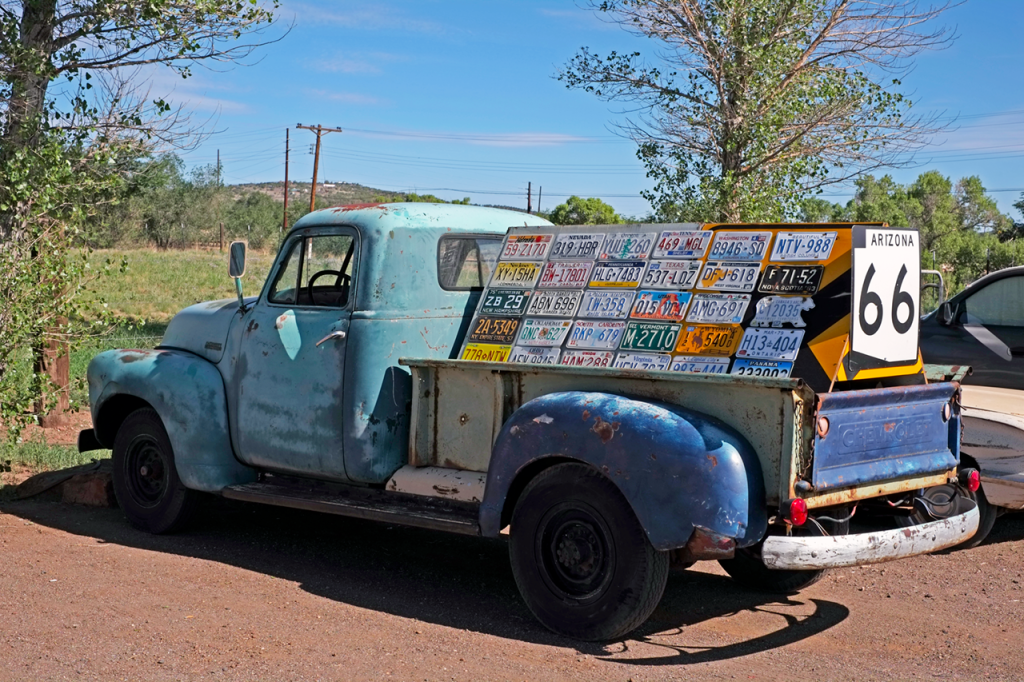
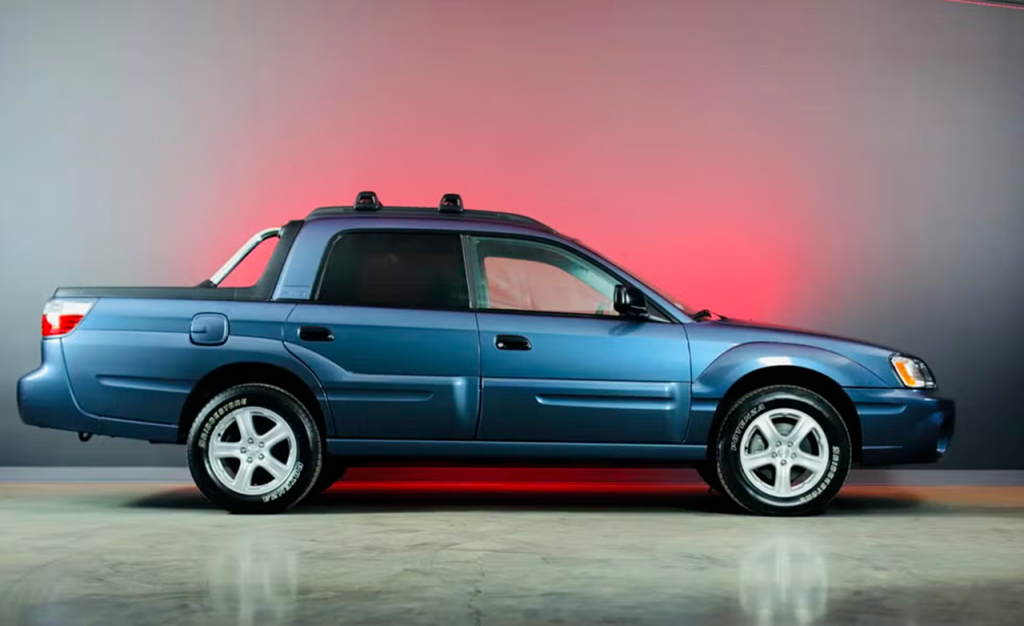
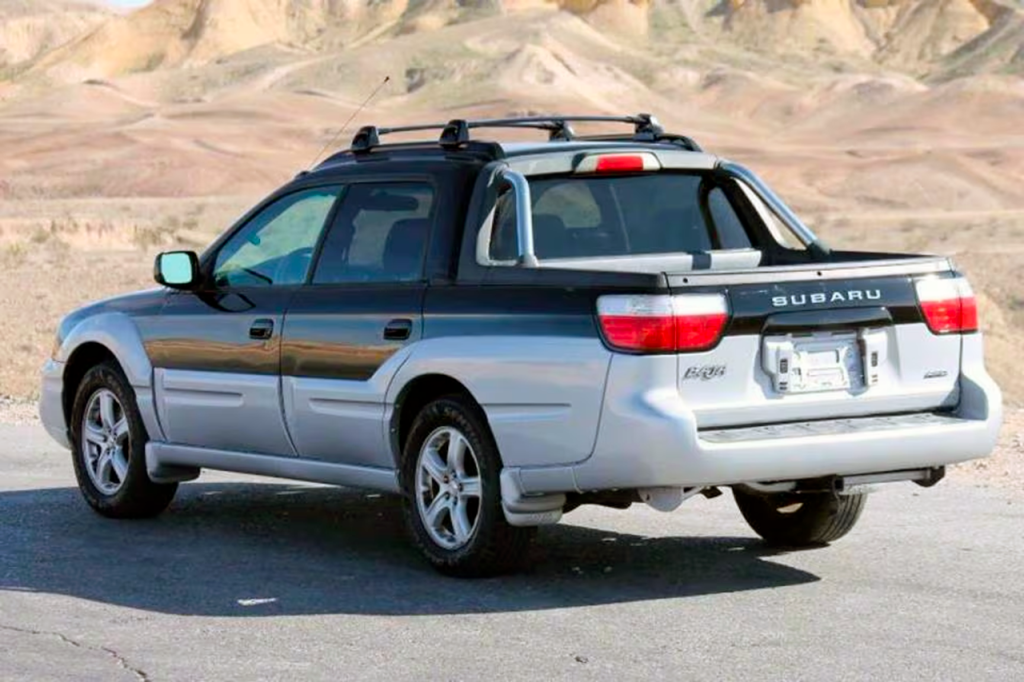
I recently saw a Subaru Baja in the Bay Area, produced between 2003 and 2006, and essentially an Outback with an open bed instead of the conventional trunk. I confess I was intrigued by its lack of success (I own a 2017 Outback, which we bought second-hand, and it’s easy to get used to its 4WD). Given the evolution of the Outback, which in its 2026 incarnation (the car’s 7th generation) loses any trace of conventional station wagon and morphs into yet another SUV, a revival of its open-bed model would make sense to those looking for the utility and lifestyle while retaining the performance and efficiency of a more conventional car.
I knew little about kei cars other than what I had seen in manga series such as Dr. Slump; upon arrival in Japan in the summer of 2015, I realized kei cars were as popular and pervasive in Japan as pickup trucks are in the United States, and, whereas microcars have their own rich history in Europe, from the Isetta to the still-in-production Smart, their cultural imprint and number are negligible, if compared with the importance of kei cars to Japanese daily living.
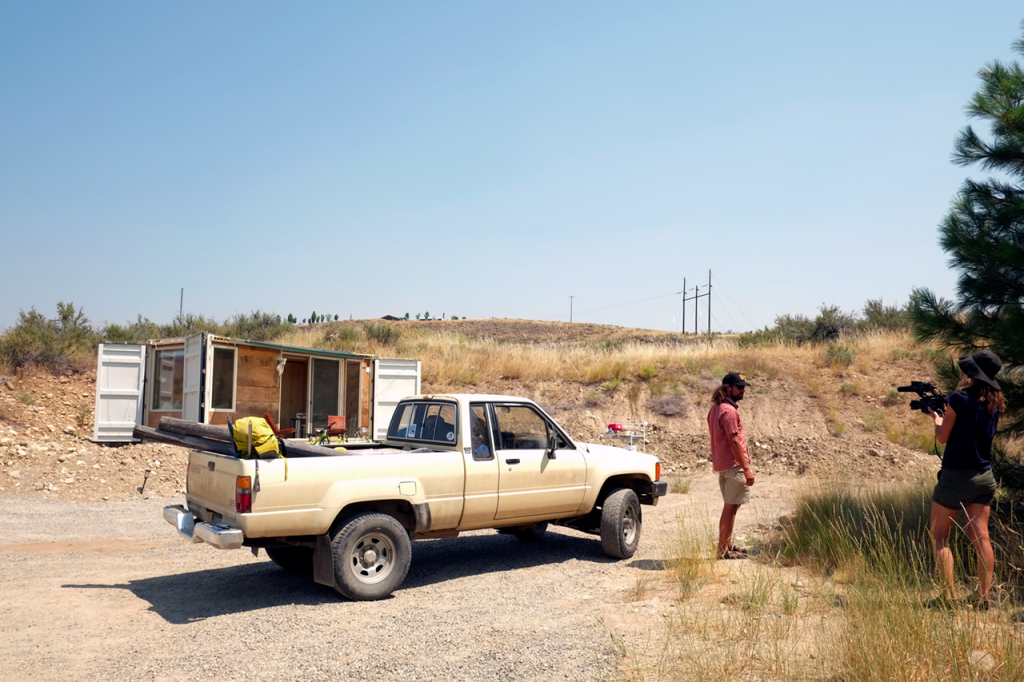
During the two weeks we traveled (by road and the Shinkansen, Japan’s fast train) across Honshu, Japan’s largest and most populous island, I photographed kei cars in all sorts of quotidian situations. They appeared to be parked in impossibly narrow spots, and some passenger models carried families, others were used for last-mile deliveries, and I also saw plenty of capable kei pickup trucks.
Flat-bed kei cars: all utility, no show
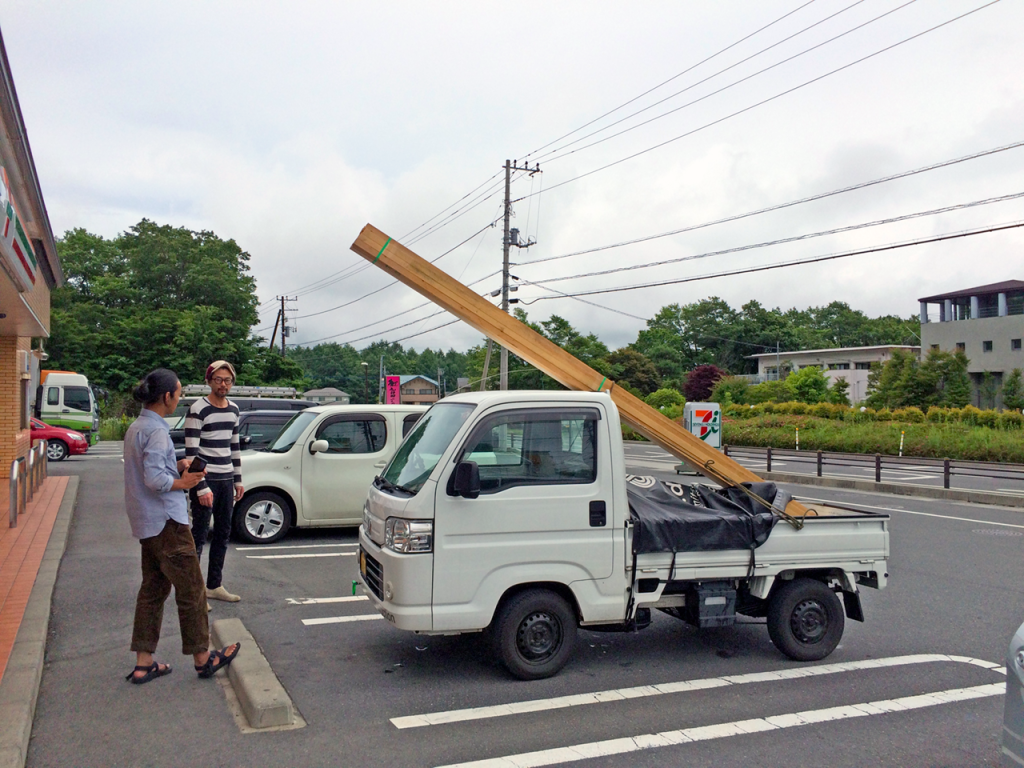
When we stopped at a gas station with our friend Yuichi Takeuchi, an old friend of his stopped by on his way to a construction site: he was carrying a big log beam on his kei truck, which seemed the most normal thing to do. I figured then that there were two types of people using flat-bed vehicles: those focusing on their actual need for a flat bed, and those who buy such vehicles for the looks and the signaling. Not surprisingly, many of the people using flat beds heavily in the US drive efficient and sometimes smaller, older pickup trucks, such as old iterations of the Toyota Tacoma.
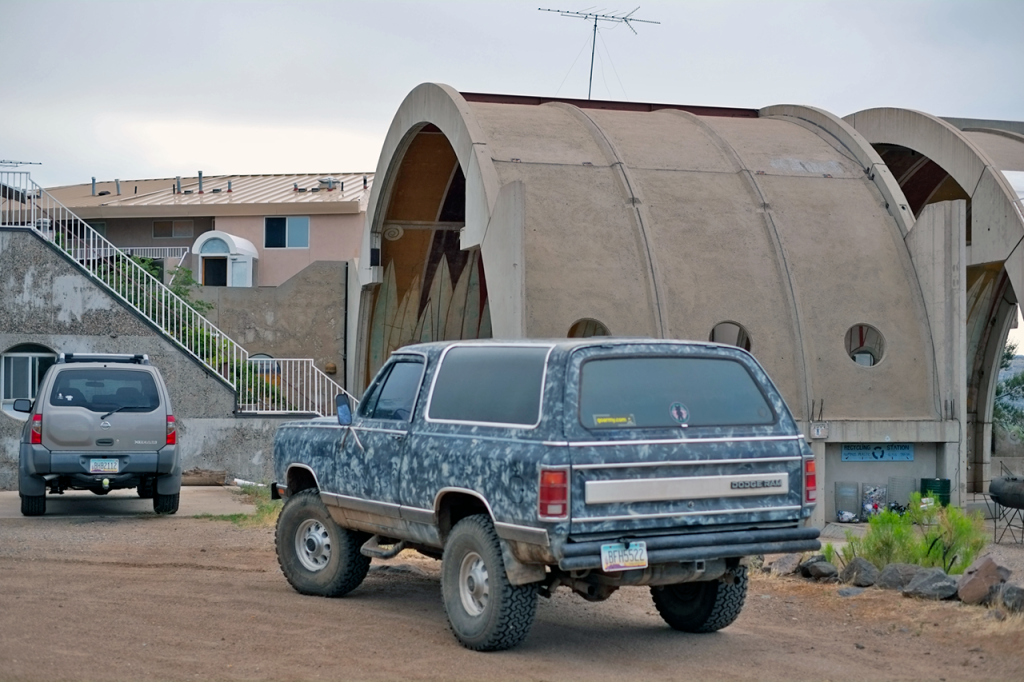
Following the premise of utility, efficiency, minimalism, and lack of fanfare, the American startup Slate has built a small electric pickup that’s sturdy and highly configurable. The company says production will start later this year for around $28,000, far from the price of the bigger EV trucks now on the market.
The Slate is different in many ways. It’s less capable but has been designed to prioritize the actual versatility offered by trucks, favoring cargo load and the bed transformation if required. It looks a bit like a concept car never meant to be produced or like a car designed by Braun, prioritizing a basic look instead of sophistication or the aggressive front end favored by other trucks. Like kei pickup trucks, the Slate doesn’t scream testosterone but might be capable of doing the job.
One similarity with other trucks: the Slate’s clean lines are not too concerned about aerodynamics. Other than that, it seems designed against the regular assumptions that built the modern truck market: the base model consists of an old-school regular cab (two-passenger) cockpit, which has almost disappeared from the market, while the segment has shifted toward more comfortable and high-end crew cabs.
As for the interior’s amenities, the base model is as Spartan as the interior of an East German Trabant Tramp: it lacks a built-in entertainment system, though it could connect to Bluetooth screens and speakers; and (like the 1989 Mercedes G-Wagon I keep in Spain) it comes with old-school crank windows to reduce costs and complexity. Optional amenities and power window upgrades would cost extra.
Electric pickup trucks: a smaller niche (so far) than many forecast
An electric pickup truck offers advantages: it can run on electricity generated by a domestic solar installation, a refreshing statement in a moment when geopolitics can make driving much more expensive overnight. As with other EV trucks, the trunk is engine-free, and the small Slate offers 7 cubic feet of space there; the bed, though small at 5 feet, isn’t much smaller than the shrinking beds of the current small- and full-size pickup trucks on the market.
The car’s two range options (150 miles projected for the Standard and 240 miles projected for the Extended model) aren’t that impressive, but probably fit a large percentage of drivers actually using their trucks for last-mile errands and jobs, from casual hauling to carrying and using tools. Will potential customers rationally predict their use, or do these specifications (regular cab, no amenities, limited range, testosterone-free design) condemn the Slate to a niche?
As for the price, Slate will be competing against a growing segment of the smaller, more affordable pickup trucks, many of which offer gas models with all amenities at a similar price range. The Ford Maverick sold over 155,000 units in 2025 and has proven that the “bigger is better” trend doesn’t reflect overall market needs, whereas the Tacoma, Toyota’s small-size truck, is among the 10 best-selling cars in California, favored by its reliability, real off-road capability, and steady resale value.
According to a recent study by the research firm Strategic Vision, 9 out of 10 pickup buyers barely use their trucks for business towing or work (as a mobile office, on a job site). Interestingly, 63% of electric pickup drivers haul something in the cargo bed once a month or more, at a higher rate than among conventional full-size pickup drivers.
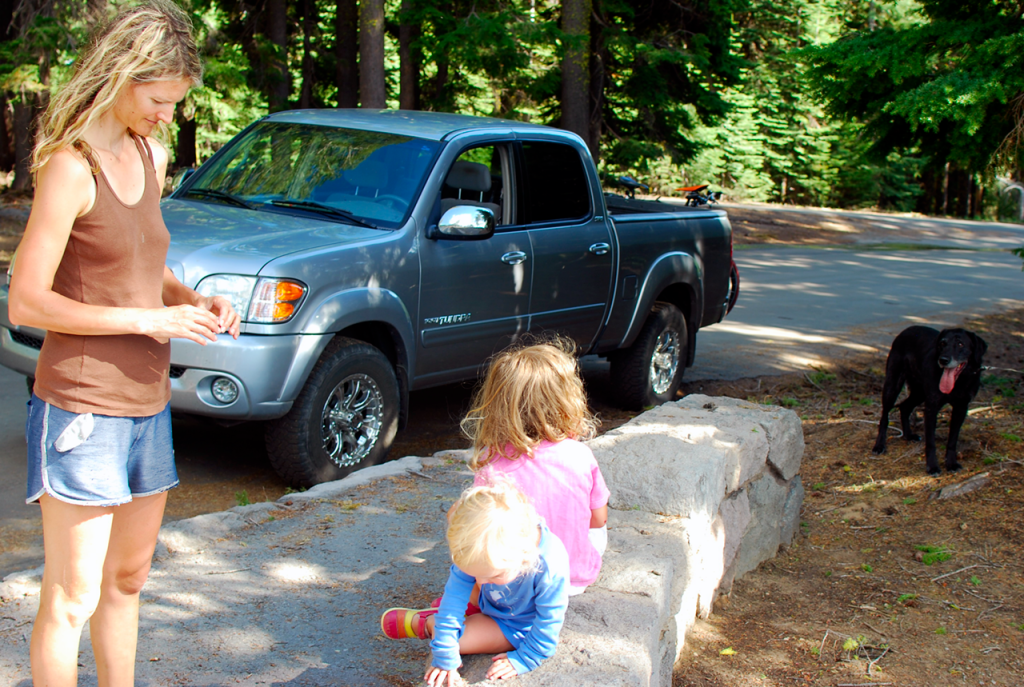
The study also states that, overall, the bigger the truck, the more likely it is to be used for work (which rarely involves towing and hauling things anyway).
Vehicular memoir
It’s interesting to read some comments regarding this study; many highlight some of the market-oriented and sociological insights of full-size trucks’ popularity outside their intended use.
The demise of sedans in favor of SUVs of all sizes seems universal, and many trucks also respond to a perception change on the road and in masculine identity.
That said, if I were to camp more in the wild and try to self-build a home at a rural property, I wouldn’t mind getting a pickup truck with a decent mileage, reliability, and resale value, though I doubt I’d lease it or buy it new — or perhaps wait for the Goldilocks equivalent to a modern Subaru Baja with the reliability of an old Tacoma and the price of an actual entry-level work car.
Conditioned by the market incentives that have transformed trucks from commercial vehicles to easy-to-lease everyday cars, many people end up getting a muscular hauler with a 6-passenger cabin for the same reason urban and suburban parents get a three-row SUV: to do errands that don’t require a flat bed or to drive their children to activities.
After a few years living here, perhaps my perception lacks the freshness of the outsider, though the misalignment between aspiration and utility seems most clear on the road when high-end, big-cabin trucks cruise past me on their way to mundane, suburban errands that don’t need a flat bed or V8 hauling.